- Introduction / About the Career
What the Field is About:
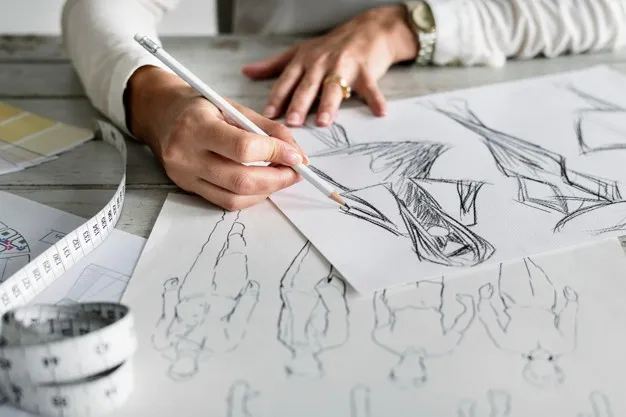
Textile Design is the creative process of designing and developing fabrics, prints, weaves, and textures used in fashion, interiors, and industrial applications. It blends art, creativity, and technology to bring patterns and materials to life — from clothing fabrics and upholstery to technical textiles used in industries.
Historical / Global Relevance:
Textile design is one of the world’s oldest crafts — from India’s ancient handlooms to Europe’s silk and lace traditions. Today, it’s a global industry driven by fashion innovation, sustainable fabrics, and digital textile printing.
Why Students Choose It:
- Combines creativity with tangible, artistic results.
- Offers opportunities in fashion, home décor, and industrial sectors.
- Ever-growing industry with both artistic and technical roles.
- Scope for entrepreneurship and brand creation.
- Roles & Responsibilities
Typical Duties:
- Designing fabric patterns, prints, weaves, and textures.
- Researching color trends, materials, and production methods.
- Using design software for digital prints and patterns.
- Collaborating with fashion designers, merchandisers, and manufacturers.
- Ensuring quality control in production and sampling.
Scope Across Industries:
- Fashion and Apparel
- Home Furnishing (curtains, upholstery, carpets)
- Textile Manufacturing Units
- Exports and Retail Brands
- Technical and Sustainable Textiles
- Key Skills Required
Technical Skills:
- Knowledge of Weaving, Dyeing, Printing, and Embroidery
- Fabric Construction and Fiber Science
- CAD Software (NedGraphics, Adobe Photoshop, CorelDRAW, ProWeave)
- Color Theory and Trend Forecasting
Soft Skills / Personality Traits:
- Creativity and Artistic Sense
- Patience and Attention to Detail
- Communication & Collaboration
- Market Awareness and Adaptability
Emerging Skills:
- Sustainable / Eco-friendly Textile Design
- Digital Printing & Smart Textiles
- Textile Product Innovation
- E-commerce & Branding for Designers
- Educational Pathway / Eligibility
Minimum Qualification:
- 10+2 (any stream) from a recognized board.
Entrance Exams (for Top Institutes):
- NID DAT (National Institute of Design)
- UCEED (for IITs)
- NIFT Entrance Exam (National Institute of Fashion Technology)
- MITID DAT, Pearl Academy Entrance Test
Course Options:
- UG: B.Des / B.Sc in Textile Design or Fashion & Textile Design
- PG: M.Des / M.Sc in Textile Design or Textile Science
- Diploma / Certificate: 1–2 years (for practical skills or specialization)
- Course Details
Duration:
- UG: 3–4 years
- PG: 2 years
- Diploma: 1–2 years
Specializations:
- Print & Surface Design
- Weaving & Fabric Construction
- Knitwear & Embroidery Design
- Sustainable / Eco-textiles
- Technical Textiles (for industrial and medical use)
Typical Fees:
- India: ₹2 – ₹10 lakhs (UG programs)
- Abroad: USD $20,000 – $45,000 per year
- Career Opportunities
Job Profiles:
- Textile Designer
- Print Designer
- Fabric Technologist
- Fashion / Surface Designer
- Colorist or Trend Forecaster
- Merchandiser / Product Developer
Industries Hiring:
- Fashion and Apparel Brands
- Textile Mills and Manufacturing Units
- Home Furnishing & Interior Brands
- Export Houses & Design Studios
- Research Labs & Sustainable Material Startups
Scope in India vs. Abroad:
- India: Strong scope due to booming fashion industry, handloom exports, and sustainability trends.
- Abroad: High demand in Europe, USA, and Japan — especially for sustainable and innovative fabric design.
- Salary Trends
Level | India (Annual) | Abroad (Annual) |
Entry-Level | ₹3–₹5 LPA | $40,000–$55,000 |
Mid-Level | ₹6 – ₹10 LPA | $60,000–$85,000 |
Senior / Design Head | ₹12 – ₹20+ LPA | $90,000+ |
Freelance designers and entrepreneurs can earn significantly more depending on clientele and market reach.
- Demand & Market Outlook
- The Indian textile and apparel industry is projected to reach $350 billion by 2030, driven by exports and sustainable fashion.
- The global textile design industry is expected to grow steadily due to innovations in eco-textiles and digital design.
- Government Support:
- “Textile India” and “Make in India” initiatives.
- Production Linked Incentive (PLI) schemes for textile manufacturing.
- National Handloom Development Programme for artisans.
- Level of Preparation Required
Academic Preparation:
- Strong foundation in art, color, and basic design.
- Knowledge of textile processes and digital design tools.
Internships & Projects:
- Mandatory 3–6 month internships with fashion houses, mills, or studios.
- Portfolio showcasing sketches, fabric samples, and digital work.
Additional Certifications:
- Textile CAD Software Training (NedGraphics, Textronics, CorelDRAW)
- Surface Embellishment & Digital Printing Courses
- Sustainable Fashion / Textile Innovation courses (Coursera, NIFT, Udemy)
- Top Colleges & Universities
Top Indian Institutes:
- National Institute of Design (NID)
- National Institute of Fashion Technology (NIFT)
- Pearl Academy (Delhi, Mumbai, Jaipur)
- Srishti Manipal Institute of Art, Design & Technology
- MIT Institute of Design, Pune
- Arch Academy of Design, Jaipur
Top International Universities:
- Parsons School of Design (USA)
- Rhode Island School of Design (USA)
- Central Saint Martins (UK)
- London College of Fashion (UK)
- Politecnico di Milano (Italy)
- Royal Melbourne Institute of Technology (Australia)
- Pros & Cons of this Career
Advantages:
- Creative and hands-on work environment.
- Opportunities across fashion, interiors, and manufacturing.
- High potential for freelancing or starting your own brand.
- Rising importance of sustainable textiles worldwide.
Challenges:
- Competitive and trend-driven industry.
- Requires continuous skill and technology updates.
- Tight production deadlines at times.
Work-Life Balance:
Moderate — varies depending on project load and employer type.
- Famous Personalities / Case Studies
- Ritu Kumar: An Indian designer known for reviving traditional textile crafts.
- Anavila Misra: Pioneer of sustainable handwoven linen saris.
- Manish Arora: Internationally acclaimed for bold and colorful textile artistry.
- Eileen Fisher (USA): Renowned for eco-conscious and minimal textile designs.
- Conclusion
Textile design is where creativity meets craftsmanship and technology.
It’s ideal for students passionate about fashion, fabrics, and sustainability.
With India’s rich textile heritage and growing international recognition, this field offers endless possibilities—from high fashion to industrial innovation.
If you dream of designing fabrics that define trends and comfort, textile design is your canvas to weave success!