
- Introduction / About the Career
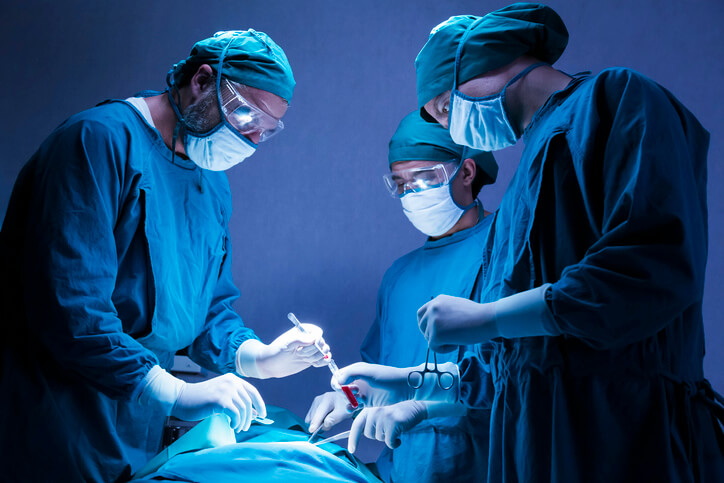
A Surgeon is a highly skilled medical doctor who performs surgical procedures to treat diseases, injuries, deformities, and medical conditions. Surgeons use operative techniques, anesthesia, and post-operative care to save lives, restore function, and improve patients’ quality of life.
Globally, surgery is a critical branch of medicine, spanning specialties like cardiac, orthopedic, neurological, plastic, pediatric, and general surgery. Surgeons are vital to healthcare systems worldwide.
Why students choose this career:
- Desire to make a direct impact on patients’ health and survival.
- Interest in anatomy, medicine, and hands-on procedures.
- Prestige and global recognition associated with surgical professions.
- Opportunities for specialization, research, and innovation.
- Roles & Responsibilities
Surgeons are responsible for:
- Diagnosing conditions requiring surgical intervention.
- Planning and performing surgical procedures safely and effectively.
- Managing pre-operative and post-operative patient care.
- Collaborating with anesthesiologists, nurses, and medical teams.
- Keeping up-to-date with surgical innovations, techniques, and technologies.
- Conducting minimally invasive, robotic, or complex surgical procedures.
- Educating patients and families about procedures and recovery.
Industries / Sectors Hiring Surgeons:
- Hospitals and Trauma Centers
- Specialty Clinics (Cardiac, Orthopedic, Neurosurgery, etc.)
- Research Institutions and Academic Hospitals
- Private Practice and Healthcare Chains
- Government and Defense Medical Services
- Key Skills Required
Technical Skills:
- Expertise in human anatomy, physiology, and surgical techniques
- Precision and dexterity in using surgical instruments
- Knowledge of anesthesia, sterilization, and post-operative care
- Ability to perform minimally invasive and complex surgeries
Soft Skills:
- Strong decision-making and critical thinking
- Emotional resilience and stress management
- Communication and teamwork skills
- Patience and attention to detail
- Compassion and empathy for patients
Emerging Skills:
- Robotic and computer-assisted surgery
- Minimally invasive and laparoscopic techniques
- Tele-surgery and remote surgical procedures
- Advanced trauma and emergency surgical care
- Educational Pathway / Eligibility
Minimum Qualification: 10+2 with Science (Physics, Chemistry, Biology)
Undergraduate / Medical Degree:
- MBBS (Bachelor of Medicine, Bachelor of Surgery) – 5.5 years including internship
Postgraduate / Specialization:
- MS / MCh (Master of Surgery / Magister Chirurgiae) – 3 years
- Super-specializations: Cardiac, Neurosurgery, Orthopedic, Plastic, Pediatric Surgery
Certifications / Licensing:
- Medical Council registration (India) or country-specific licensing exams abroad (e.g., USMLE in the USA)
Entrance Exams:
- NEET-UG for MBBS (India)
- NEET-PG for MS/MCh
- University-specific entrance exams for international study
- Course Details
- Duration:
- MBBS: 5.5 years (including 1-year internship)
- MS / MCh: 3–6 years (depending on super-specialization)
- Short-term surgical skills or robotic surgery certifications: 6–12 months
- Specializations:
- General Surgery
- Cardiac / Cardiothoracic Surgery
- Orthopedic Surgery
- Neurosurgery
- Plastic and Reconstructive Surgery
- Pediatric Surgery
- Minimally Invasive / Robotic Surgery
- Typical Fees:
- India: ₹10–25 lakhs (MBBS + MS/MCh pathway)
- Abroad: USD $50,000–$200,000 depending on country and specialization
- Career Opportunities
Job Roles:
- General Surgeon
- Specialist Surgeon (Cardiac, Orthopedic, Neurosurgeon, etc.)
- Trauma Surgeon
- Robotic / Minimally Invasive Surgeon
- Academic Surgeon / Researcher
- Private Practice Surgeon
Industries / Sectors Hiring:
- Hospitals, Trauma Centers, and Specialty Clinics
- Academic and Research Institutions
- Private Healthcare Chains
- Government Medical Services and Defense
Scope in India vs. Abroad:
- India: High demand in private and government hospitals, especially super-specialties.
- Abroad: USA, UK, Canada, Australia, and Middle East offer high demand and excellent remuneration for qualified surgeons.
- Salary Trends
- Entry-Level (India): ₹10–20 LPA
- Mid-Level / Experienced: ₹25–50 LPA
- Senior / Specialist / Consultant Surgeon: ₹50 LPA+
Abroad:
- General Surgeon: USD $250,000–$400,000 per year
- Specialist Surgeons: USD $400,000–$600,000+ per year
- Demand & Market Outlook
- Rising demand due to healthcare expansion, trauma care, and aging populations.
- Increasing need for specialized surgeries, minimally invasive procedures, and robotic surgery.
- Government initiatives in healthcare infrastructure and private hospital growth increase opportunities.
- Global shortage of skilled surgeons in certain specialties ensures strong career prospects.
- Level of Preparation Required
Academic Preparation: Strong foundation in biology, chemistry, physics, and medical sciences.
Practical Exposure: Hospital internships, clinical rotations, surgical residency programs.
Certifications / Training: Advanced surgical techniques, laparoscopic, robotic, trauma, and specialized certifications add value.
- Top Colleges & Universities
Top Indian Institutes:
- All India Institute of Medical Sciences (AIIMS), New Delhi – MBBS & MS/MCh
- Christian Medical College (CMC), Vellore – MBBS & Surgical Programs
- King George’s Medical University (KGMU), Lucknow – Surgery Programs
- Armed Forces Medical College (AFMC), Pune – MBBS & Surgery
- Postgraduate Institute of Medical Education & Research (PGIMER), Chandigarh – Surgical Specializations
Top International Universities:
- Harvard Medical School, USA – Surgery Programs
- University of Oxford, UK – Surgical Training
- Johns Hopkins University, USA – Surgery & Trauma
- University of Melbourne, Australia – Surgical Specializations
- Karolinska Institute, Sweden – Medical and Surgical Programs
- Pros & Cons
Pros:
- High prestige and respected profession
- Excellent earning potential
- Opportunity to save lives and improve quality of life
- Opportunities for specialization, research, and teaching
Cons:
- Long and demanding educational pathway
- High-pressure, high-stakes work environment
- Irregular hours, night shifts, and emergencies
- Continuous learning and skill upgrades required
- Famous Personalities / Case Studies
- Dr. Devi Prasad Shetty (India): Renowned cardiac surgeon and philanthropist.
- Dr. Michael DeBakey (USA): Legendary cardiovascular surgeon and innovator.
- Dr. B. K. Misra (India): Renowned neurosurgeon and academician.
- Conclusion
A career as a Surgeon is ideal for students who are dedicated, compassionate, and passionate about medicine and surgery. With the increasing demand for skilled surgeons, advanced medical procedures, and specialized healthcare, this career offers prestige, global opportunities, excellent earning potential, and the satisfaction of saving lives.
Students who enjoy anatomy, hands-on procedures, problem-solving, and high responsibility will find this career challenging, rewarding, and future-ready.