
- Introduction / About the Career
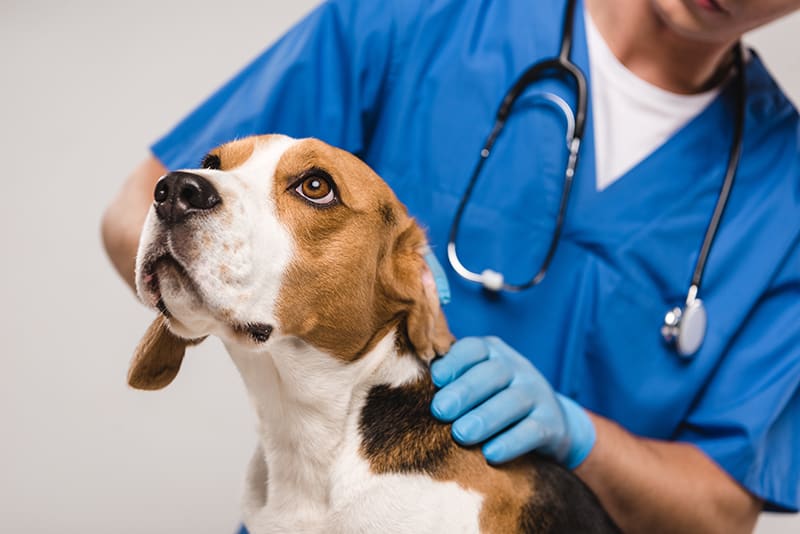
A veterinarian (or veterinary doctor) is a medical professional who diagnoses, treats, and prevents diseases in animals, including pets, livestock, wildlife, and exotic species. Veterinarians play a vital role in animal health, public health, food safety, and research.
Globally, veterinary science is crucial for animal welfare, zoonotic disease control, and sustainable agriculture.
Why students choose this career:
- Passion for working with animals and wildlife.
- Interest in veterinary medicine, biology, and healthcare.
- Opportunities in clinics, hospitals, research, and conservation.
- A growing demand for animal healthcare and welfare services.
- Roles & Responsibilities
Veterinarians are responsible for:
- Examining animals to diagnose illness or injury.
- Performing surgeries, administering medications, and treating diseases.
- Vaccinating animals and providing preventive care.
- Advising pet owners, farmers, and wildlife managers on animal care.
- Conducting research in animal health, nutrition, and reproduction.
- Ensuring compliance with animal welfare and food safety regulations.
- Working in public health to monitor and control zoonotic diseases.
Industries/Sectors Hiring Veterinarians:
- Veterinary hospitals and clinics
- Livestock farms and dairy industries
- Zoos, wildlife sanctuaries, and aquariums
- Research laboratories and pharmaceutical companies
- Government animal health departments and NGOs
- Key Skills Required
Technical Skills:
- Knowledge of animal anatomy, physiology, and diseases
- Clinical and surgical skills
- Diagnostic testing and laboratory procedures
- Animal handling and emergency care techniques
Soft Skills:
- Compassion and empathy for animals and owners
- Strong communication and counseling skills
- Problem-solving and critical thinking
- Patience and resilience
- Teamwork and collaboration
Emerging Skills:
- Veterinary telemedicine
- Advanced surgical techniques and imaging
- Animal nutrition and rehabilitation
- Wildlife and exotic animal care
- Research and biotechnology applications in veterinary medicine
- Educational Pathway / Eligibility
Minimum Qualification: 10+2 with Science (Physics, Chemistry, Biology)
Undergraduate Courses:
- BVSc & AH (Bachelor of Veterinary Science and Animal Husbandry)—5.5 years including internship
Postgraduate Courses/Specializations:
- MVSc (Master of Veterinary Science) – 2 years
- Ph.D. in Veterinary Science or Animal Health
- Specializations: Surgery, Radiology, Internal Medicine, Reproduction, Dermatology, Pathology, Public Health
Certifications/Advanced Training:
- Veterinary Surgery
- Animal Nutrition
- Wildlife and Exotic Animal Medicine
- Clinical Practice Management
Entrance Exams:
- NEET-UG / AIPVT (India) for BVSc & AH
- University-specific entrance exams for PG/Ph.D. abroad
- Course Details
- Duration:
- Undergraduate: 5.5 years including 6-month internship
- Postgraduate: 2–3 years
- Short-term certifications: 6–12 months
- Specializations:
- Veterinary Surgery and Orthopedics
- Animal Nutrition and Dietetics
- Wildlife and Exotic Animal Medicine
- Veterinary Public Health
- Clinical Pathology and Diagnostics
- Typical Fees:
- India: ₹5–15 lakhs
- Abroad: USD $20,000–$50,000 for UG/PG programs
- Career Opportunities
Job Roles:
- Veterinary Surgeon / Clinician
- Livestock / Dairy Veterinarian
- Wildlife / Zoo Veterinarian
- Veterinary Research Scientist
- Animal Nutritionist / Dietitian
- Veterinary Consultant / Public Health Officer
- Private Clinic Owner
Industries / Sectors Hiring:
- Veterinary hospitals, clinics, and animal shelters
- Dairy and livestock farms
- Zoos, aquariums, and wildlife sanctuaries
- Pharmaceutical and veterinary product companies
- Government veterinary and public health departments
Scope in India vs. Abroad:
- India: Rising demand in animal healthcare, livestock, and pet care sectors.
- Abroad: High demand in USA, UK, Canada, Australia, and Middle East with competitive salaries and advanced research opportunities.
- Salary Trends
- Entry-Level (India): ₹3–6 LPA
- Mid-Level / Experienced: ₹6–12 LPA
- Senior / Specialist Roles: ₹12–25 LPA+
Abroad:
- Average Salary: USD $60,000–$90,000 per year
- Senior veterinarians, specialists, or clinic owners can earn USD $100,000+
- Demand & Market Outlook
- Growing pet ownership, livestock industries, and wildlife conservation increases demand.
- Rising awareness of animal welfare, zoonotic disease control, and preventive healthcare.
- Emerging trends include tele-veterinary services, exotic animal medicine, and veterinary research.
- Government initiatives for livestock development, public health, and animal conservation boost opportunities.
- Level of Preparation Required
Academic Preparation: Strong foundation in biology, chemistry, and veterinary sciences.
Practical Exposure: Clinical internships, farm rotations, wildlife rehabilitation, and lab research.
Certifications / Training: Advanced surgical skills, exotic/wildlife care, and tele-veterinary practices add value.
- Top Colleges & Universities
Top Indian Institutes:
- Indian Veterinary Research Institute (IVRI), Bareilly – BVSc & AH / MVSc
- Madras Veterinary College, Chennai – BVSc & AH / MVSc
- Bombay Veterinary College, Mumbai – BVSc & AH / MVSc
- Guru Angad Dev Veterinary & Animal Sciences University (GADVASU), Ludhiana
- Karnataka Veterinary, Animal and Fisheries Sciences University (KVAFSU), Bidar
Top International Universities:
- University of California, Davis, USA – Veterinary Medicine
- Royal Veterinary College, London, UK
- University of Sydney, Australia – Veterinary Science
- Cornell University, USA – College of Veterinary Medicine
- Utrecht University, Netherlands – Veterinary Medicine
- Pros & Cons
Pros:
- Rewarding career helping animals and public health
- Wide variety of work environments (clinics, farms, wildlife, research)
- Opportunities for specialization and private practice
- Globally recognized and respected profession
Cons:
- Physically demanding and emotionally challenging work
- Exposure to animal bites, injuries, or zoonotic diseases
- Long educational pathway
- Work may involve irregular hours and emergencies
- Famous Personalities / Case Studies
- Dr. James Herriot (UK): Famous veterinarian and author of “All Creatures Great and Small.”
- Dr. K. K. Sharma (India): Renowned veterinary scientist in livestock and animal health research.
- Dr. Jane Goodall (UK): Wildlife conservationist and veterinary collaborator focusing on primates.
- Conclusion
A career as a Veterinarian is ideal for students who are compassionate, animal-loving, and passionate about healthcare. With the growing demand for animal healthcare, livestock development, and wildlife conservation, this career offers diverse opportunities, global mobility, specialization options, and the satisfaction of improving animal health and public welfare.
Students who enjoy biology, medicine, and working with animals will find this career rewarding, respected, and future-ready.