- Introduction / About the Career
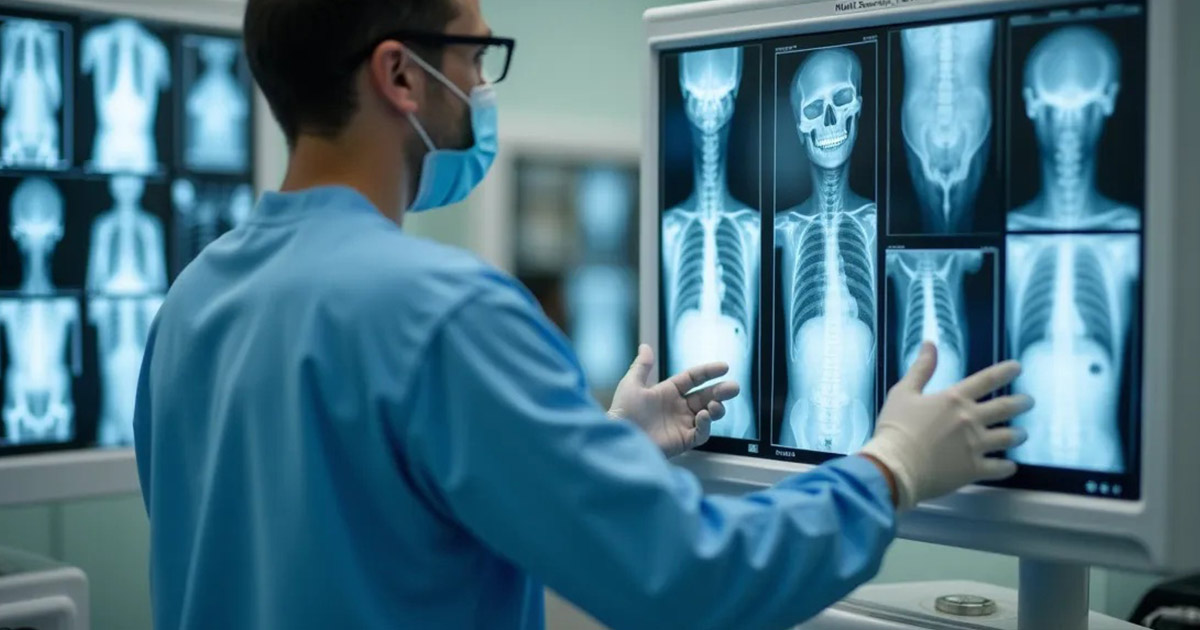
An X-Ray Technician (also called a Radiologic Technologist) is a healthcare professional who operates imaging equipment to create diagnostic images of patients’ bones, tissues, and organs. These images help doctors and specialists diagnose medical conditions accurately.
Globally, X-ray imaging is a vital diagnostic tool in healthcare, used in hospitals, clinics, diagnostic centers, and emergency care units.
Why students choose this career:
- Interest in medical imaging and healthcare technology.
- Shorter educational path compared to becoming a full Radiologist.
- Opportunities to work in hospitals, diagnostic labs, and clinics.
- Growing demand due to expansion of healthcare services and diagnostic centers.
- Roles & Responsibilities
X-Ray Technicians are responsible for:
- Preparing and positioning patients for X-ray and imaging procedures.
- Operating X-ray and imaging machines safely and effectively.
- Ensuring high-quality diagnostic images for interpretation.
- Maintaining imaging equipment and adhering to radiation safety protocols.
- Recording patient information and documenting imaging procedures.
- Assisting radiologists or doctors during specialized imaging procedures.
Industries / Sectors Hiring:
- Hospitals and Emergency Rooms
- Diagnostic and Imaging Centers
- Clinics and Specialized Medical Facilities
- Research Institutes and Medical Colleges
- Key Skills Required
Technical Skills:
- Knowledge of X-ray machines and imaging technology
- Understanding of human anatomy and positioning techniques
- Radiation safety and infection control procedures
- Basic patient care during imaging
Soft Skills:
- Attention to detail and precision
- Communication and patient management skills
- Teamwork with doctors and medical staff
- Patience and empathy
Emerging Skills:
- Use of digital imaging software and PACS (Picture Archiving and Communication Systems)
- Cross-training in CT, MRI, or ultrasound imaging
- Knowledge of AI-assisted imaging and diagnostics
- Educational Pathway / Eligibility
Minimum Qualification: 10+2 with Science (Physics, Chemistry, Biology)
Courses / Certifications:
- Diploma in Radiography / X-Ray Technology – 1–2 years
- B.Sc in Radiologic Technology / Medical Imaging – 3–4 years
- Short-term certifications in Digital Radiography, CT, MRI – 6–12 months
Entrance Exams:
- Mostly institute-specific; some states or colleges may have entrance tests
- Course Details
- Duration:
- Diploma: 1–2 years
- B.Sc: 3–4 years
- Short-term certifications: 6–12 months
- Specializations:
- Digital Radiography
- Computed Tomography (CT)
- Magnetic Resonance Imaging (MRI)
- Radiation Safety and Quality Control
- Typical Fees:
- India: ₹50,000–3 lakhs depending on institute and course
- Abroad: USD $10,000–$25,000
- Career Opportunities
Job Roles:
- X-Ray Technician / Radiologic Technologist
- CT / MRI Technician (with further training)
- Imaging Assistant
- Diagnostic Lab Technician
- Hospital or Clinic Imaging Staff
Industries / Sectors Hiring:
- Hospitals, Clinics, and Emergency Units
- Diagnostic and Imaging Centers
- Research and Medical Colleges
- Private and Government Healthcare Facilities
Scope in India vs. Abroad:
- India: Steady demand in hospitals, diagnostic centers, and private clinics.
- Abroad: High demand in the USA, UK, Canada, Australia, and Middle East with good remuneration.
- Salary Trends
- Entry-Level (India): ₹2–4 LPA
- Mid-Level / Experienced: ₹4–6 LPA
- Senior / Specialized Technicians: ₹6–10 LPA
Abroad:
- Average Salary: USD $45,000–$70,000 per year
- Specialized imaging technicians can earn USD $80,000+
- Demand & Market Outlook
- Increasing demand due to expansion of healthcare facilities and diagnostic services.
- Growth in specialized imaging services like CT, MRI, and digital radiography.
- Emerging trends include AI-assisted imaging, tele-radiology, and cross-training in multiple imaging modalities.
- Government and private hospital projects create new opportunities across India and internationally.
- Level of Preparation Required
Academic Preparation: Strong foundation in science, biology, physics, and medical technology.
Practical Exposure: Clinical internships, hospital rotations, and hands-on training in imaging.
Certifications / Training: Advanced training in CT, MRI, radiation safety, and PACS software adds value.
- Top Colleges & Universities
Top Indian Institutes:
- All India Institute of Medical Sciences (AIIMS), New Delhi – Radiography Programs
- Christian Medical College (CMC), Vellore – Medical Imaging Courses
- Manipal Academy of Higher Education – B.Sc / Diploma Radiography
- SRM Institute of Science & Technology – Imaging Technology
- Postgraduate Institute of Medical Education & Research (PGIMER), Chandigarh
Top International Universities:
- University of Toronto, Canada – Radiologic Technology
- King’s College London, UK – Medical Imaging Programs
- University of Sydney, Australia – Medical Imaging
- Johns Hopkins University, USA – Diagnostic Imaging Programs
- University of Melbourne, Australia – Radiography and Imaging
- Pros & Cons
Pros:
- Quick entry into healthcare careers with shorter courses than doctors
- High demand in hospitals and diagnostic centers
- Opportunities to upskill in CT, MRI, and advanced imaging
- Direct involvement in patient diagnosis and care
Cons:
- Exposure to radiation requires safety precautions
- Work may involve shift duties, emergencies, or night shifts
- Limited scope without further specialization in advanced imaging techniques
- Repetitive tasks in daily routine
- Famous Personalities / Case Studies
- Pioneers in radiology and medical imaging such as Wilhelm Conrad Roentgen, inventor of X-rays, laid the foundation for this career.
- Modern technologists contribute to advancements in digital imaging, AI-assisted diagnostics, and CT/MRI technologies.
- Conclusion
A career as an X-Ray Technician is ideal for students interested in healthcare technology, patient care, and diagnostic imaging. With the growing demand for skilled imaging professionals, hospitals, and diagnostic centers, this career offers good entry-level opportunities, specialization potential, and global mobility.
Students who enjoy biology, technology, and hands-on medical procedures will find this career rewarding, respected, and future-ready.