
Introduction / About the Career
What the course/field is about
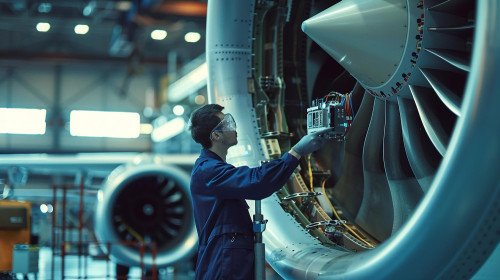
Aircraft Maintenance Engineering focuses on the technical inspection, maintenance, and repair of aircraft systems, structures, engines, and avionics. AMEs are licensed professionals authorized to certify aircraft after maintenance, making them essential to safe airline operations.
Historical / Global Relevance
- Aircraft maintenance has been vital since the early days of aviation to ensure flight safety and reliability.
- With increasing air traffic and complex aircraft systems, AMEs are indispensable worldwide.
- Globally, aviation authorities strictly regulate aircraft maintenance, making AMEs one of the most trusted technical professions in aviation.
Why students choose it
- Strong interest in aircraft technology and engineering
- High responsibility and respect within the aviation industry
- Global job opportunities with airlines and MRO companies
- Stable career with long-term growth
- Opportunity to work hands-on with advanced aircraft systems
Roles & Responsibilities
Typical Duties:
- Inspecting aircraft systems, structures, and components
- Performing scheduled and unscheduled maintenance
- Diagnosing and rectifying technical faults
- Ensuring compliance with aviation safety regulations
- Certifying aircraft for airworthiness after maintenance
- Maintaining detailed maintenance records and documentation
Industries They Work In:
- Commercial airlines
- Aircraft Maintenance, Repair & Overhaul (MRO) organizations
- Private and charter aviation companies
- Aircraft manufacturing companies
- Defense and government aviation organizations
Key Skills Required
Technical Skills:
- Aircraft systems and maintenance procedures
- Engine, airframe, and avionics knowledge
- Aircraft manuals and technical documentation
- Troubleshooting and fault diagnosis
Soft Skills:
- Attention to detail and precision
- Strong problem-solving ability
- Discipline and safety awareness
- Teamwork and communication
Emerging Skills:
- Digital aircraft maintenance systems
- Composite material repair techniques
- Predictive maintenance and analytics
- New-generation aircraft technologies (A320neo, B787, etc.)
Educational Pathway / Eligibility
Minimum Qualification:
- Class 10+2 with Physics, Chemistry, and Mathematics (PCM)
UG / Training Options:
- AME training approved by DGCA (India) or international aviation authorities
- Aircraft Maintenance Engineering diploma – 2 to 4 years
- B.Tech / B.E. in Aeronautical or Aerospace Engineering (optional pathway)
Licensing & Exams (India):
- DGCA AME Modules examinations
- Practical maintenance training with approved organizations
- Category licensing:
- Category A – Line Maintenance
- Category B1 – Mechanical (Airframe & Engine)
- Category B2 – Avionics
International Pathways:
- EASA Part-66 AME License (Europe)
- FAA A&P License (USA)
- License conversion opportunities across countries
Course Details
Duration:
- AME Training: 2 – 4 years
- Practical training & licensing: As per regulatory authority
Specializations:
- Mechanical (Airframe & Engine – B1)
- Avionics (Electrical, Instrumentation – B2)
- Line Maintenance
- Base Maintenance
Typical Fees:
India:
- AME Course: ₹3 – 6 lakh per year
Abroad:
- AME Training: USD 20,000 – 50,000 per year
Career Opportunities
Job Profiles:
- Aircraft Maintenance Engineer (Licensed AME)
- Aircraft Technician
- Line Maintenance Engineer
- Base Maintenance Engineer
- Quality & Safety Engineer (Aviation)
Industries Hiring:
- Domestic and international airlines
- MRO organizations
- Aircraft manufacturing companies
- Defense aviation units
- Business and private aviation firms
Scope: India vs. Abroad
- India: Growing aviation sector, expanding airports, strong demand for licensed AMEs
- Abroad: High demand in Middle East, Europe, and Asia-Pacific regions
Salary Trends
Level | India (per annum) | Abroad (per annum) |
Entry-level | ₹4 – 8 LPA | USD 40,000 – 60,000 |
Mid-level | ₹8 – 15 LPA | USD 70,000 – 100,000 |
Senior / Licensed AME | ₹15 – 30 LPA+ | USD 120,000+ |
Demand & Market Outlook
- Current Demand: High due to airline expansion and aging aircraft fleets
- Global Demand: Strong for licensed AMEs and avionics specialists
- Future Growth Trends:
- Fleet expansion and new aircraft induction
- Advanced avionics and composite aircraft
- Maintenance automation and predictive diagnostics
- Industry Drivers: Aviation safety regulations, global air travel growth
Level of Preparation Required
- Strong foundation in physics, mathematics, and engineering concepts
- Hands-on technical aptitude and mechanical interest
- Practical training in hangars and workshops
- Continuous learning and certification updates
Top Colleges & Training Institutes
India:
- Indira Gandhi Rashtriya Uran Akademi (IGRUA – AME programs)
- Airworks Aviation Academy
- Hindustan Aviation Academy
- School of Aeronautics (Neemrana)
Abroad:
- Lufthansa Technical Training (Germany)
- Emirates Aviation University (UAE)
- Singapore Aviation Academy
- CAE Aviation Training
Pros & Cons of this Career
Advantages:
- Highly responsible and respected role
- Strong job security and global demand
- Hands-on technical career in aviation
- Opportunities to work with advanced aircraft
Challenges:
- Shift-based work including nights and weekends
- High responsibility and pressure for safety
- Continuous learning and license renewals required
Work-Life Balance:
- Shift-based schedules; can be demanding
- Improves with seniority and managerial roles
Famous Personalities / Case Studies
- Senior licensed AMEs ensuring safety of global airline fleets
- AMEs transitioning into aviation safety, quality control, and training roles
- Engineers working in leading MRO organizations worldwide
Conclusion
A career as an Aircraft Maintenance Engineer is ideal for individuals passionate about aviation technology, engineering, and safety. With the rapid growth of global aviation and increasing aircraft complexity, AMEs remain indispensable to the industry.
👉 Students who enjoy technical work, precision, and responsibility will find this career stable, respected, and globally rewarding.