
Introduction / About the Career
What the course/field is about
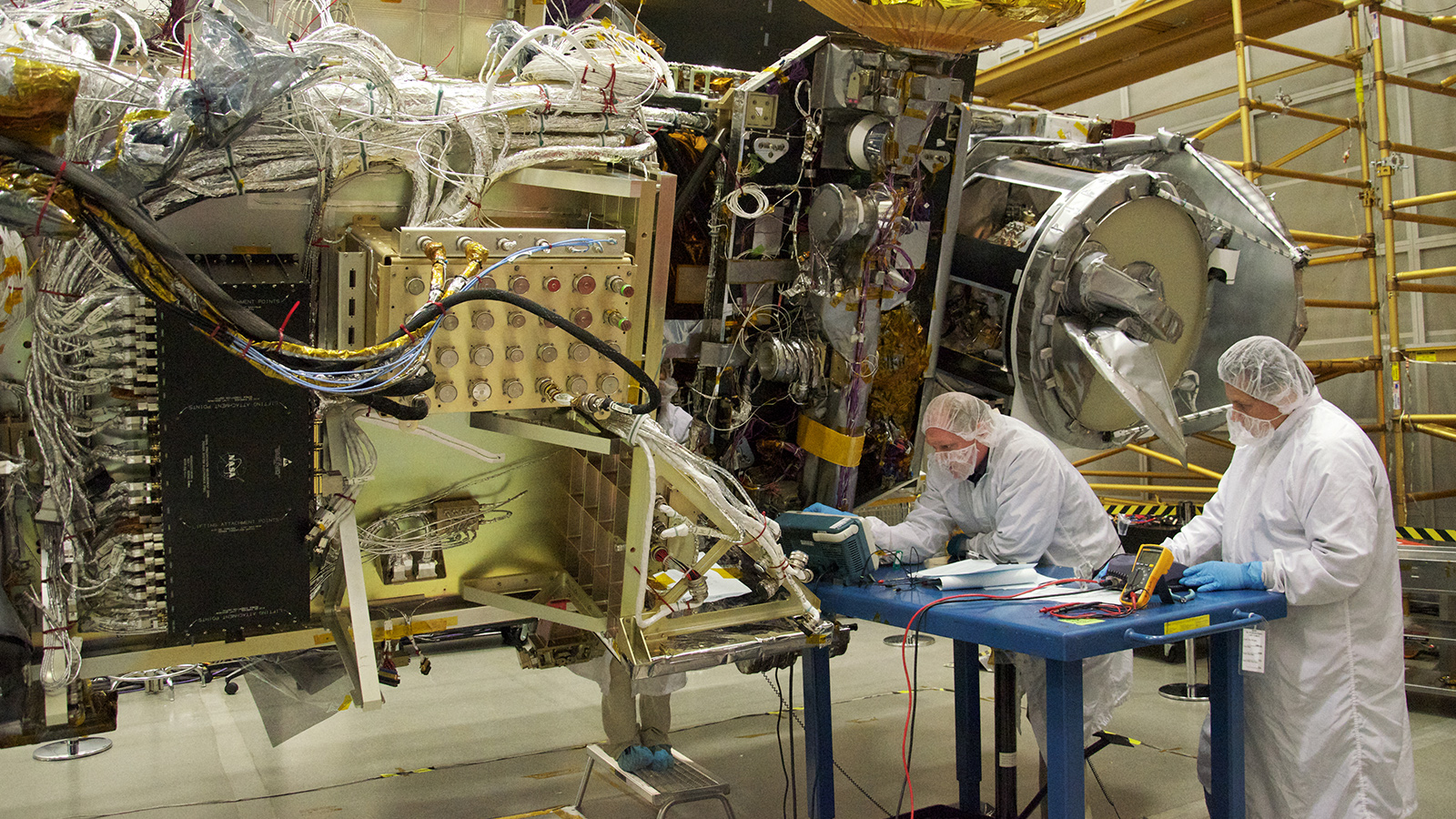
Satellite Engineering focuses on the creation and operation of artificial satellites and their subsystems. Engineers work on satellite structures, propulsion, power systems, communication payloads, navigation systems, and ground control operations to ensure reliable performance throughout a satellite’s mission life.
Historical / Global Relevance
- Satellite technology revolutionized communication, navigation (GPS), weather prediction, and space exploration.
- Since the launch of Sputnik in 1957, satellites have become essential to civilian, commercial, and defence applications.
- Globally, satellite engineers support space agencies, telecom industries, defence systems, and private space companies.
Why students choose it
- Strong interest in space technology and advanced engineering
- Opportunity to work on cutting-edge satellite missions
- High global relevance and technological impact
- Career options in government, defence, and private space companies
- Contribution to communication, navigation, and Earth observation systems
Roles & Responsibilities
Typical Duties:
- Designing satellite subsystems (power, thermal, propulsion, communication)
- Integrating payloads and onboard systems
- Conducting simulations, testing, and validation
- Supporting satellite launch operations
- Monitoring satellite performance from ground control stations
- Troubleshooting anomalies during satellite missions
Industries They Work In:
- Space agencies and research organizations
- Satellite manufacturing companies
- Telecom and communication companies
- Defence and surveillance organizations
- Space-tech startups and private launch companies
Key Skills Required
Technical Skills:
- Satellite systems and orbital mechanics
- RF communication and signal processing
- Power systems, thermal control, and propulsion
- Embedded systems and control engineering
Soft Skills:
- Analytical and systems-thinking ability
- Problem-solving and precision
- Team collaboration and documentation
- Ability to work on long-term, high-stakes projects
Emerging Skills:
- Small satellites (CubeSats & NanoSats)
- AI-based satellite data processing
- Reusable launch vehicle integration
- Space debris mitigation and sustainability
Educational Pathway / Eligibility
Minimum Qualification:
- Class 12 with Physics, Chemistry, and Mathematics (PCM)
UG/PG Options:
- UG: B.Tech / B.E. in Aerospace, Aeronautical, Electronics, or Electrical Engineering – 4 years
- PG: M.Tech / MS in Satellite Engineering, Space Systems, or Communication Engineering – 2 years
- PhD: For advanced research and scientific roles
Entrance Exams (India):
- JEE Main / JEE Advanced
- State engineering entrance exams
- GATE (for postgraduate programs)
International Pathways:
- MSc / MS in Space Systems or Satellite Engineering
- Research programs in global universities and space agencies
Course Details
Duration:
- UG: 4 years
- PG: 2 years
- PhD: 3–6 years
Specializations:
- Satellite Communication Systems
- Spacecraft Systems Engineering
- Remote Sensing & Earth Observation
- Guidance, Navigation & Control (GNC)
- Payload & Mission Design
Typical Fees:
India:
- UG: ₹2–6 lakh per year
- PG: ₹2–5 lakh per year
Abroad:
- UG: USD 20,000–50,000 per year
- PG: USD 25,000–60,000 per year
Career Opportunities
Job Profiles:
- Satellite Engineer
- Space Systems Engineer
- Satellite Communication Engineer
- Mission Operations Engineer
- Payload Engineer
Industries Hiring:
- Space agencies (ISRO, NASA, ESA, JAXA)
- Satellite manufacturing firms
- Telecom and broadcasting companies
- Defence and surveillance organizations
- Commercial space companies
Scope: India vs. Abroad
- India: Strong demand with ISRO, DRDO, and private space startups
- Abroad: High demand in USA, Europe, and Middle East space industries
Salary Trends
Level | India (per annum) | Abroad (per annum) |
Entry-level | ₹5 – 8 LPA | USD 60,000 – 80,000 |
Mid-level | ₹8 – 15 LPA | USD 90,000 – 120,000 |
Senior / Lead | ₹15 – 30 LPA+ | USD 130,000+ |
Demand & Market Outlook
- Current Demand: High in satellite communication and Earth observation
- Global Demand: Very strong due to commercial space expansion
- Future Growth Trends:
- Small satellite constellations
- Satellite internet and 5G integration
- Climate monitoring and defense systems
- Industry Drivers: Global connectivity needs, space commercialization, and security demands
Level of Preparation Required
- Strong fundamentals in electronics, physics, and mathematics
- Hands-on projects and satellite simulations
- Internship exposure with space organizations
- Continuous learning in space regulations and emerging technologies
Top Colleges & Universities
India:
- Indian Institute of Space Science and Technology (IIST), Thiruvananthapuram
- IIT Bombay
- IIT Madras
- IISc Bangalore
Abroad:
- Massachusetts Institute of Technology (MIT), USA
- Stanford University, USA
- Delft University of Technology, Netherlands
- University of Colorado Boulder, USA
- Cranfield University, UK
Pros & Cons of this Career
Advantages:
- Work on advanced space and satellite technology
- Global demand and recognition
- Contribution to communication, navigation, and research
- High-impact, future-oriented career
Challenges:
- Technically demanding and complex field
- Long project cycles and high responsibility
- Competitive entry into top organizations
Work-Life Balance:
- Generally stable in research and corporate roles
- Can be intense during launch and mission phases
Famous Personalities / Case Studies
- Scientists and engineers behind India’s communication and navigation satellites
- Satellite engineers leading global broadband satellite projects
- Space professionals contributing to Mars and deep-space missions
Conclusion
A career as a Satellite Engineer is ideal for students passionate about space technology, electronics, and engineering innovation. With rapid growth in satellite communication, Earth observation, and commercial space missions, this field offers strong career stability, global opportunities, and long-term impact.
👉 Students who enjoy complex systems, research, and futuristic technology will find this career technically rewarding and future-ready.