
Introduction / About the Career
What the course/field is about
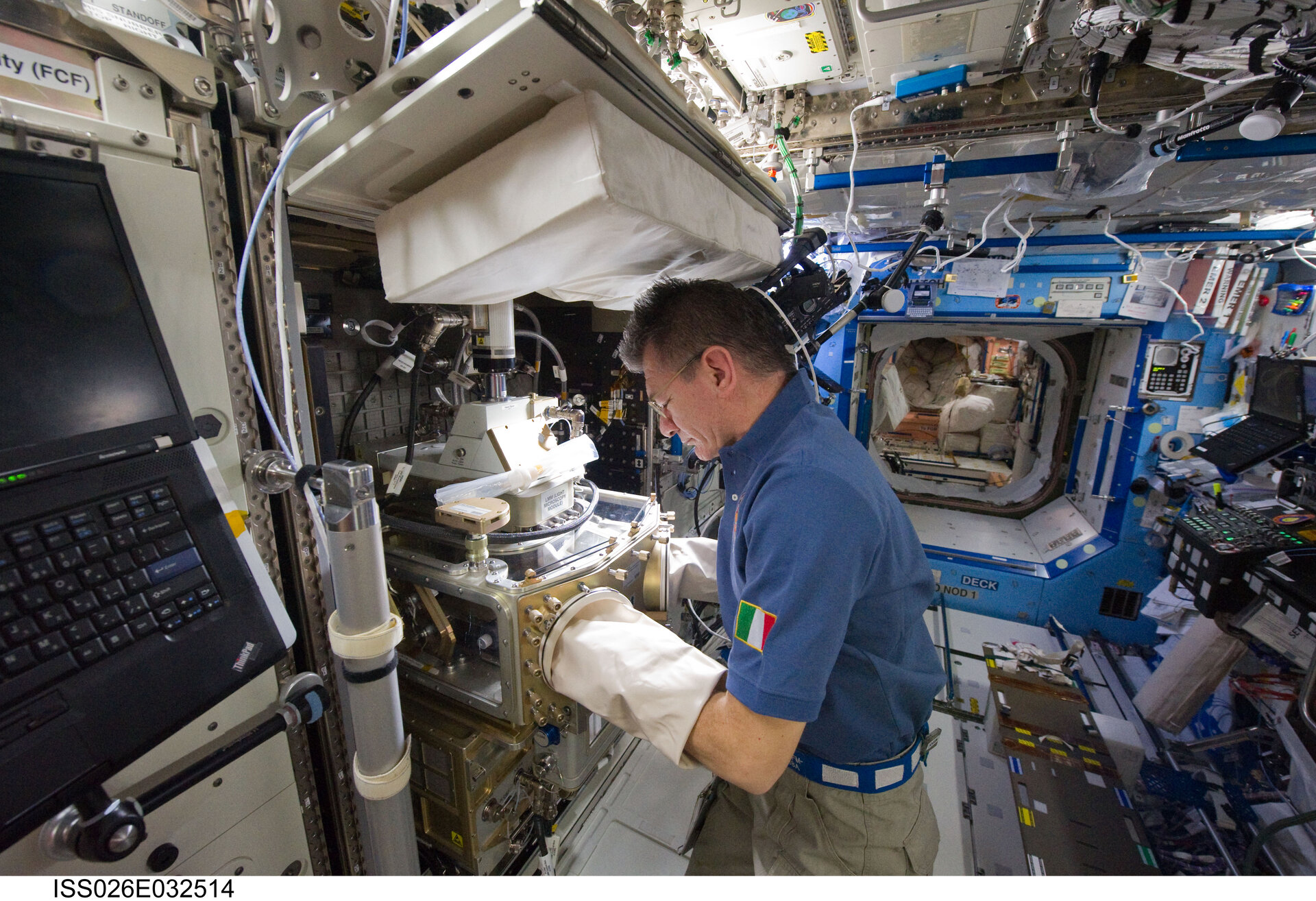
Defence and Space Research Science focuses on scientific research, innovation, and technology development to strengthen a nation’s defence preparedness and space capabilities. Professionals work in multidisciplinary teams involving physics, engineering, materials science, electronics, AI, and space sciences to develop next-generation defence and space systems.
Historical / Global Relevance
- Defence and space research have played a pivotal role in national security, technological advancement, and global power dynamics.
- Space programs and defence R&D have led to innovations such as satellites, missiles, navigation systems, radar, and advanced materials.
- Globally, defence & space scientists contribute to strategic missions, national security, and international space exploration initiatives.
Why students choose it
- Strong sense of patriotism and national service
- Interest in advanced science, research, and innovation
- Opportunity to work on classified and high-impact projects
- Prestigious government and research careers
- Contribution to national security and space missions
Roles & Responsibilities
Typical Duties:
- Conducting research on defence and space technologies
- Designing and testing missiles, satellites, spacecraft, and defence systems
- Developing radar, communication, navigation, and surveillance systems
- Working on propulsion, materials, and weapon systems
- Analysing data, simulations, and experimental results
- Publishing research findings (where permissible) and supporting strategic missions
Industries/Organizations They Work In:
- Defence research organizations
- Space research agencies
- Strategic technology institutions
- Government R&D laboratories
- Defence PSUs and advanced research centers
Key Skills Required
Technical Skills:
- Advanced physics, mathematics, and engineering principles
- Systems design, simulation, and modelling
- Electronics, avionics, propulsion, or materials science
- Research methodologies and experimentation
Soft Skills:
- Analytical and critical thinking
- Confidentiality and ethical responsibility
- Team collaboration in high-security environments
- Problem-solving under complex constraints
Emerging Skills:
- Hypersonic technology
- AI, machine learning, and cyber warfare systems
- Space propulsion and reusable launch vehicles
- Directed energy and advanced materials
Educational Pathway / Eligibility
Minimum Qualification:
- Class 12 with Physics, Chemistry, and Mathematics (PCM)
UG/PG Options:
- UG: B.Tech / B.E. in Aerospace, Mechanical, Electronics, Electrical, Computer Science, or Physics – 4 years
- PG: M.Tech / MS in relevant engineering or science disciplines – 2 years
- PhD: Preferred / required for senior scientist and research roles
Entrance Exams (India):
- JEE Main / JEE Advanced (UG)
- GATE (for M.Tech & PSU/Research entry)
- CSIR-NET / JEST (for research & PhD pathways)
International Pathways:
- Advanced research degrees in space science, defense technology, or applied physics
- Opportunities primarily limited to citizens due to security restrictions
Course Details
Duration:
- UG: 4 years
- PG: 2 years
- PhD: 3–6 years
Specializations:
- Missile and Weapon Systems
- Spacecraft and Satellite Systems
- Radar and Electronic Warfare
- Propulsion and Hypersonic Technology
- Cybersecurity and AI in Defense
Typical Fees:
India:
- UG: ₹50,000 – 3 lakh per year (government institutes)
- PG: ₹50,000 – 2 lakh per year
Abroad:
- Limited due to defense restrictions; space research programs: USD 20,000–50,000 per year
Career Opportunities
Job Profiles:
- Defence Scientist
- Space Research Scientist
- Research Engineer
- Missile Systems Scientist
- Radar & Electronic Systems Scientist
Organizations Hiring (India):
- DRDO (Defence Research and Development Organisation)
- ISRO (Indian Space Research Organisation)
- BARC (Bhabha Atomic Research Centre)
- Defence PSUs (HAL, BEL, BDL)
- Strategic research laboratories
Scope: India vs. Abroad
- India: Strong opportunities in DRDO, ISRO, BARC, and strategic R&D labs
- Abroad: Limited defence roles due to citizenship laws; space research roles possible
Salary Trends
Level | India (per annum) | Abroad (per annum) |
Entry-level Scientist | ₹8–12 LPA | USD 70,000–90,000 |
Mid-level Scientist | ₹12–20 LPA | USD 100,000 – 130,000 |
Senior/Lead Scientist | ₹20–35 LPA+ | USD 150,000+ |
(Includes government benefits and allowances)
Demand & Market Outlook
- Current Demand: High for strategic defense and space R&D
- Global Demand: Strong for space research; defense roles restricted by nationality
- Future Growth Trends:
- Space exploration and satellite defense
- Hypersonic weapons and missile defense
- AI-driven warfare and cybersecurity
- Industry Drivers: National security priorities, space missions, geopolitical factors
Level of Preparation Required
- Exceptional academic performance in science and engineering
- Strong research orientation and problem-solving mindset
- Participation in national-level research projects and internships
- Long-term commitment to continuous learning and innovation
Top Colleges & Institutions
India:
- Indian Institute of Space Science and Technology (IIST)
- Indian Institute of Science (IISc), Bangalore
- IITs (Bombay, Madras, Kanpur, Kharagpur)
- Defence Institute of Advanced Technology (DIAT), Pune
Abroad (Space Research):
- MIT, USA
- Caltech, USA
- Stanford University, USA
- University of Cambridge, UK
Pros & Cons of this Career
Advantages:
- Prestigious and impactful career
- Direct contribution to national security and space missions
- Access to cutting-edge research and technology
- Long-term job stability and respect
Challenges:
- Highly competitive entry
- Limited international mobility (defence roles)
- Long research timelines and high responsibility
Work-Life Balance:
- Generally stable in government research roles
- Intense during mission deadlines and testing phases
Famous Personalities / Case Studies
- Dr. A.P.J. Abdul Kalam – Missile scientist and former President of India
- Scientists behind India’s missile and space programs
- Research leaders driving national defence and space missions
Conclusion
A career as a Defence & Space Research Scientist is ideal for individuals passionate about advanced science, national service, and innovation. With increasing focus on self-reliance in defence and ambitious space missions, this career offers prestige, purpose, and long-term impact.
👉 Students with strong scientific aptitude, dedication, and a research-driven mindset will find this career intellectually fulfilling and nationally significant.