
Introduction / About the Career
What the course/field is about
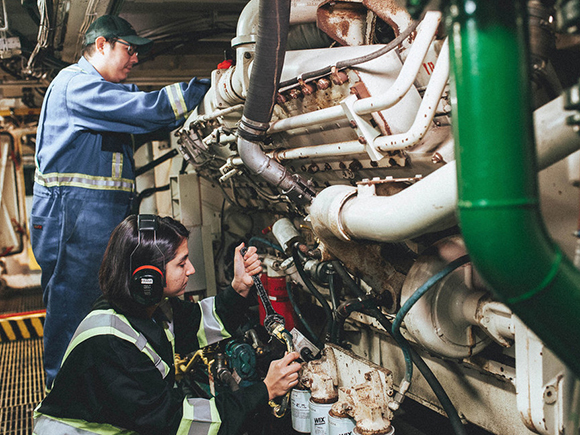
Marine Engineering focuses on the mechanical, electrical, and electronic systems used on ships. Marine engineers manage main engines, auxiliary machinery, power generation, fuel systems, refrigeration, automation, and safety equipment. Their work is critical to ship performance, safety, and compliance with international maritime regulations.
Historical / Global Relevance
- Marine engineering has been essential since the advent of steamships and modern propulsion systems.
- Today, marine engineers support global trade, oil & gas transport, cruise tourism, and offshore operations.
- With over 90% of world trade carried by sea, marine engineers remain vital to the global economy.
Why students choose it
- Interest in engines, machinery, and technical systems
- High earning potential with international exposure
- Strong global demand and career stability
- Opportunity to work on advanced marine technology
- Prestigious and adventurous maritime lifestyle.
Roles & Responsibilities
Typical Duties:
- Operating and maintaining ship engines and machinery
- Monitoring propulsion, power generation, and fuel systems
- Performing routine maintenance and emergency repairs
- Ensuring compliance with safety and pollution regulations
- Managing engine room crew and technical documentation
- Handling breakdowns and troubleshooting at sea
Industries They Work In:
- Merchant shipping companies
- Oil & gas tankers and LNG carriers
- Cruise liners and passenger ships
- Offshore and marine services
- Port and shipyard operations (shore-based roles)
Key Skills Required
Technical Skills:
- Marine engines and propulsion systems
- Electrical and automation systems
- Mechanical maintenance and diagnostics
- Marine safety and pollution control systems
Soft Skills:
- Problem-solving under pressure
- Leadership and teamwork
- Discipline and adaptability
- Attention to detail and responsibility
Emerging Skills:
- Smart ship automation
- Green and fuel-efficient propulsion systems
- Hybrid and electric marine engines
- Advanced marine monitoring systems
Educational Pathway / Eligibility
Minimum Qualification:
- Class 12 with Physics, Chemistry, and Mathematics (PCM)
Entry Routes (India):
- B.Tech Marine Engineering – 4 years
- GME (Graduate Marine Engineering) – 1 year (after BE/BTech Mechanical or related fields)
Entrance Exams:
- IMU-CET (Indian Maritime University Common Entrance Test)
- Company-sponsored sponsorship exams
Medical Requirements:
- DG Shipping medical fitness
- Good eyesight and physical fitness
Course Details
Duration:
- B.Sc. Nautical Science: 3 years
- Marine Engineering: 4 years
- DNS/GME: 1 year (+ mandatory sea service)
Specializations:
- Deck Officer (Navigation)
- Marine Engineer (Engine & Machinery)
- Electro-Technical Officer (ETO)
- Offshore and Oil Tanker Operations
Typical Fees:
India:
- ₹2–6 lakh per year (varies by institute and sponsorship)
Abroad:
- USD 15,000–40,000 per year
Career Opportunities
Job Profiles:
- Trainee Marine Engineer
- Fourth / Third Engineer
- Second Engineer
- Chief Engineer
- Technical Superintendent (shore-based)
Industries Hiring:
- International shipping companies
- Oil & gas and offshore companies
- Cruise ship operators
- Port authorities and shipyards
Scope: India vs. Abroad
- India: Strong placement through IMU-approved institutes
- Abroad: Global opportunities with international shipping lines
Salary Trends
Rank | International / India (per month) |
Trainee | ₹60,000 – 1.2 lakh |
Junior Engineer | ₹1.5 – 3 lakhs |
Second Engineer | ₹3 – 5 lakhs |
Chief Engineer | ₹5 – 9 lakh+ |
(Often tax-free depending on sailing period and country laws)
Demand & Market Outlook
- Current Demand: High for skilled marine engineers
- Global Demand: Strong due to shipping and energy transport
- Future Growth Trends:
- LNG and offshore expansion
- Green shipping and low-emission vessels
- Automation and smart ships
- Industry Drivers: Global trade, energy logistics, and cruise tourism
Level of Preparation Required
- Strong foundation in physics and mathematics
- Mechanical aptitude and hands-on skills
- Physical stamina and mental resilience
- Willingness to work in challenging sea environments
Top Colleges & Maritime Institutes
India:
- Indian Maritime University (IMU) campuses
- Tolani Maritime Institute
- Samundra Institute of Maritime Studies
- Anglo-Eastern Maritime Academy
Abroad:
- Australian Maritime College
- Warsash Maritime School, UK
- Singapore Maritime Academy
Pros & Cons of this Career
Advantages:
- High income and international exposure
- Strong career growth and demand
- Technically challenging and respected role
- Long shore leave between voyages
Challenges:
- Long periods away from home
- Physically demanding work environment
- Irregular schedules and isolation at sea
Work-Life Balance:
- Long sea contracts followed by extended vacations
- Best suited for those comfortable with non-routine lifestyles
Famous Personalities / Case Studies
- Chief Engineers managing global merchant fleets
- Marine engineers transitioning into shipping management and port operations
Conclusion
A career as a marine engineer is ideal for individuals passionate about machinery, engineering, and maritime operations. With strong global demand, excellent earning potential, and international exposure, this profession offers a powerful blend of technical expertise and adventure.
👉 Students who enjoy hands-on engineering, responsibility, and life at sea will find this career highly rewarding and globally respected.