
Introduction / About the Career
What the course/field is about
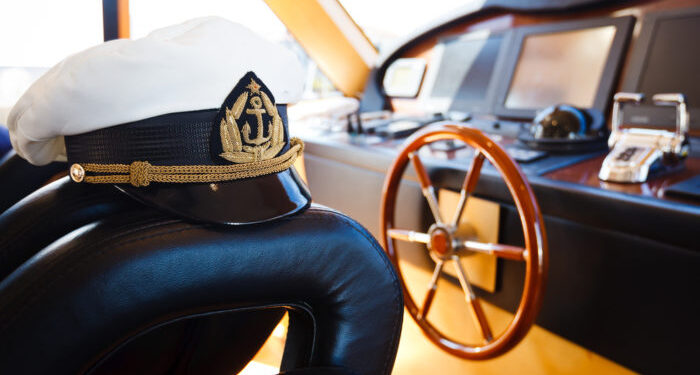
The deck officer career path focuses on ship navigation, seamanship, cargo operations, maritime law, safety management, and leadership at sea. Deck officers are responsible for safely navigating vessels across international waters, managing crew, and ensuring compliance with global maritime regulations. With experience, certification, and examinations, a deck officer advances to the role of Ship Captain.
Historical / Global Relevance
- Deck officers and ship captains have been central to global exploration, trade, and naval history.
- Modern ship captains command technologically advanced vessels using satellite navigation and digital bridge systems.
- Over 90% of global trade depends on merchant shipping, making deck officers and captains critical to the world economy.
Why students choose it
- Aspiration to command ships and lead international crews
- Passion for navigation, leadership, and life at sea
- High salary potential with global recognition
- Clear, rank-based career progression
- Prestigious and respected maritime profession
Roles & Responsibilities
Typical Duties (Deck Officer → Captain):
Deck Officers:
- Navigating ships using radar, ECDIS, GPS, and charts
- Maintaining bridge watch and navigational records
- Managing cargo loading, stability, and deck operations
- Conducting safety drills and supervising deck crew
- Assisting the captain in voyage planning and compliance
Ship Captain (Master Mariner):
- Overall command and responsibility of the vessel
- Ensuring safety of crew, cargo, ship, and environment
- Legal and regulatory compliance (SOLAS, MARPOL, COLREGs)
- Decision-making during emergencies and adverse conditions
- Representing the ship and company at ports worldwide
Industries They Work In:
- International shipping companies
- Container, bulk, tanker, and LNG shipping
- Cruise liners and passenger vessels
- Offshore and maritime service companies
Key Skills Required
Technical Skills:
- Advanced navigation and seamanship
- Ship stability, cargo management, and voyage planning
- Electronic navigation systems and bridge equipment
- Maritime law and international regulations
Soft Skills:
- Strong leadership and command presence
- Decision-making under pressure
- Discipline, responsibility, and integrity
- Excellent communication and team management
Emerging Skills:
- Smart bridge and automated navigation systems
- Green shipping and environmental compliance
- Advanced maritime risk and safety management
- Digital reporting and fleet management systems
Educational Pathway / Eligibility
Minimum Qualification:
- Class 12 with Physics, Chemistry, and Mathematics (PCM)
Entry Routes (India):
- B.Sc. Nautical Science – 3 years
- Diploma in Nautical Science (DNS)—1 year + sea service
Career Progression & Certification:
- Deck Cadet
- Third Officer (Certificate of Competency)
- Second Officer
- Chief Officer
- Ship Captain (Master Mariner)
(Each rank requires sea time and written & oral exams.)
Entrance Exams:
- IMU-CET
- Company-sponsored sponsorship exams
Medical Requirements:
- DG Shipping-approved medical fitness
- Excellent eyesight and physical health
Course Details
Duration:
- Initial course: 1–3 years
- Total time to Captain: ~8–12 years (with sea time & exams)
Specializations:
- Container Ships
- Oil & Chemical Tankers
- LNG/LPG Carriers
- Cruise Ships
- Offshore Vessels
Typical Fees:
India:
- ₹2–5 lakh per year (initial training)
Abroad:
- USD 15,000–35,000 per year
Career Opportunities
Job Profiles:
- Third / Second Officer
- Chief Officer
- Ship Captain (Master Mariner)
- Fleet Captain (shore-based)
- Marine Superintendent
Industries Hiring:
- Global shipping lines
- Cruise and passenger shipping companies
- Offshore and oil & gas firms
- Port and maritime authorities
Scope: India vs. Abroad
- India: Strong pipeline through IMU and DG Shipping
- Abroad: Truly global career with international shipping companies
Salary Trends
Rank | International / India (per month) |
Third/Second Officer | ₹1.5 – 3 lakh |
Chief Officer | ₹4–6 lakh |
Ship Captain (Master Mariner) | ₹6–10 lakh+ |
(Often tax-free depending on sailing period and country laws)
Demand & Market Outlook
- Current Demand: High for experienced deck officers and captains
- Global Demand: Consistently strong due to international trade
- Future Growth Trends:
- Smart ships and digital navigation
- Green shipping and emission control
- Growth in LNG and cruise sectors
- Industry Drivers: Global logistics, energy transport, maritime trade
Level of Preparation Required
- Strong academic foundation in science subjects
- Physical endurance and mental resilience
- Willingness to spend long periods at sea
- High discipline and leadership capability
Top Maritime Institutes
India:
- Indian Maritime University (IMU) campuses
- Tolani Maritime Institute
- Samundra Institute of Maritime Studies
- Anglo-Eastern Maritime Academy
Abroad:
- Warsash Maritime School, UK
- Australian Maritime College
- Singapore Maritime Academy
Pros & Cons of this Career
Advantages:
- Highest authority and prestige onboard
- Exceptional earning potential
- International exposure and leadership
- Long shore leave after contracts
Challenges:
- Long separation from family
- High responsibility and pressure
- Physically and mentally demanding
Work-Life Balance:
- Long sea voyages followed by extended vacations
- Best suited for individuals comfortable with non-traditional lifestyles
Famous Personalities / Case Studies
- Master Mariners commanding global container and tanker fleets
- Ship captains transitioning into port management and maritime leadership roles
Conclusion
A career as a ship captain/deck officer is ideal for individuals who aspire to lead at sea, command vessels, and operate at the highest level of maritime responsibility. With global demand, strong earnings, and unmatched professional prestige, this career offers adventure, authority, and long-term success.
👉 Students with leadership qualities, discipline, and a passion for navigation and the sea will find this career exceptionally rewarding.