
Introduction / About the Career
What the course/field is about
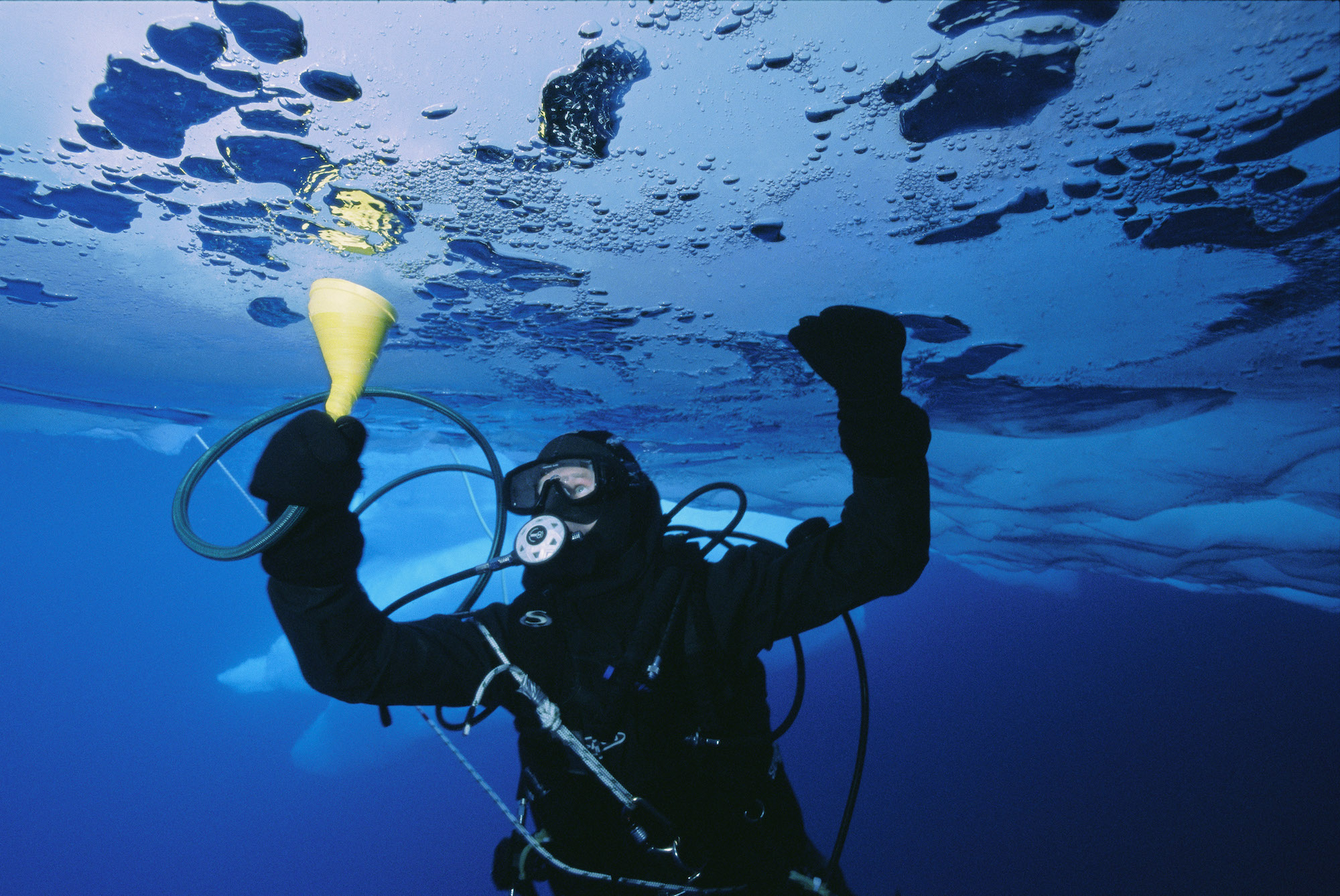
Oceanography is the scientific study of oceans and seas, covering ocean currents, waves, marine chemistry, seabed geology, and marine ecosystems. Oceanographers use field research, laboratory analysis, satellite data, and computer models to study how oceans influence Earth’s climate, life systems, and human activities.
Oceanography is broadly divided into:
- Physical Oceanography
- Chemical Oceanography
- Biological Oceanography
- Geological Oceanography
Historical/Global Relevance
- Oceans regulate Earth’s climate, weather patterns, and carbon cycle.
- Oceanographic research has improved weather forecasting, climate modeling, and disaster preparedness (cyclones, tsunamis).
- Globally, oceanographers play a vital role in climate change research, marine conservation, and sustainable ocean resource management.
Why students choose it
- Strong interest in oceans, climate science, and Earth systems
- Desire to work on climate change and environmental research
- Opportunity to combine fieldwork, technology, and data science
- Global relevance and research-driven career
- Contribution to sustainability and disaster risk reduction
Roles & Responsibilities
Typical Duties:
- Studying ocean currents, waves, and circulation patterns
- Collecting ocean data using ships, buoys, and satellites
- Analyzing water samples and marine chemistry
- Modeling ocean–climate interactions
- Monitoring sea-level rise and coastal changes
- Publishing research and advising policy or conservation strategies
Industries They Work In:
- Oceanographic research institutes
- Climate and environmental research organizations
- Government marine and meteorological departments
- Universities and academic institutions
- Offshore energy and marine consultancy firms
Key Skills Required
Technical Skills:
- Oceanography and Earth science fundamentals
- Data analysis and scientific modeling
- Remote sensing and GIS
- Marine instrumentation and field research methods
Soft Skills:
- Analytical and critical thinking
- Scientific communication and reporting
- Teamwork in multidisciplinary environments
- Patience and adaptability for fieldwork
Emerging Skills:
- Climate modeling and ocean forecasting
- Big data analytics for ocean science
- Satellite oceanography
- Coastal and marine hazard assessment
Educational Pathway / Eligibility
Minimum Qualification:
- Class 12 with Physics, Chemistry, and Mathematics
(Biology preferred for some specializations)
UG / PG Options:
- UG: BSc Oceanography, BSc Earth Science, BSc Physics – 3 years
- PG: MSc Oceanography, Marine Science, or Climate Science – 2 years
- PhD: Required for senior research and scientist roles
Entrance Exams (India):
- IIT-JAM (for MSc programs)
- University-level entrance exams
International Pathways:
- BSc / MSc / PhD in Oceanography or Marine Science
- Research fellowships in climate and ocean institutes
Course Details
Duration:
- UG: 3 years
- PG: 2 years
- PhD: 3–6 years
Specializations:
- Physical Oceanography
- Chemical Oceanography
- Biological Oceanography
- Geological Oceanography
- Coastal & Climate Oceanography
Typical Fees:
India:
- UG: ₹20,000 – 1.5 lakh per year
- PG: ₹50,000 – 3 lakh per year
Abroad:
- UG: USD 15,000–40,000 per year
- PG: USD 20,000–50,000 per year
Career Opportunities
Job Profiles:
- Oceanographer
- Marine Climate Scientist
- Coastal Zone Analyst
- Marine Data Analyst
- Research Scientist
Industries Hiring:
- National ocean research institutes
- Meteorological and climate agencies
- Environmental NGOs
- Offshore energy and marine consulting firms
Scope: India vs. Abroad
- India: Opportunities with national ocean and climate research organizations
- Abroad: Strong demand in climate research institutes and universities
Salary Trends
|
Level |
India (per annum) |
Abroad (per annum) |
|
Entry-level |
₹4–7 LPA |
USD 45,000–65,000 |
|
Mid-level |
₹7–14 LPA |
USD 70,000–100,000 |
|
Senior/Lead Scientist |
₹15–25 LPA+ |
USD 120,000+ |
Demand & Market Outlook
- Current Demand: Moderate but increasing
- Global Demand: Strong due to climate change and coastal management needs
- Future Growth Trends:
- Climate and ocean modeling
- Coastal resilience and sea-level studies
- Marine disaster prediction systems
- Industry Drivers: Climate change, coastal urbanization, environmental policy
Level of Preparation Required
- Strong foundation in physics, mathematics, and earth sciences
- Research internships and field exposure
- Data analysis and modeling skills
- Long-term commitment to scientific research
Top Colleges & Universities
India:
- National Institute of Oceanography (NIO), Goa
- Indian Institute of Technology (IIT) campuses
- Andhra University
- Cochin University of Science and Technology (CUSAT)
Abroad:
- University of Southampton, UK
- Scripps Institution of Oceanography, USA
- University of Washington, USA
- University of Bergen, Norway
Pros & Cons of this Career
Advantages:
- High-impact work related to climate and sustainability
- Global research collaboration
- Blend of fieldwork and data science
- Intellectual and scientific fulfillment
Challenges:
- Long academic pathway
- Competitive research funding
- Physically demanding fieldwork at times
Work-Life Balance:
- Balanced in academic and research roles
- Field campaigns may require extended travel
Famous Personalities / Case Studies
- Dr. Walter Munk – Pioneer of physical oceanography
- Oceanographers contributing to climate prediction and tsunami warning systems
Conclusion
A career as an Oceanographer is ideal for individuals fascinated by oceans, climate systems, and Earth science. With rising global focus on climate change, coastal protection, and marine sustainability, oceanography offers meaningful research, global relevance, and long-term career impact.
👉 Students who enjoy science, data analysis, and understanding Earth’s natural systems will find this career intellectually rewarding and purpose driven.