
Introduction / About the Career
What the course/field is about
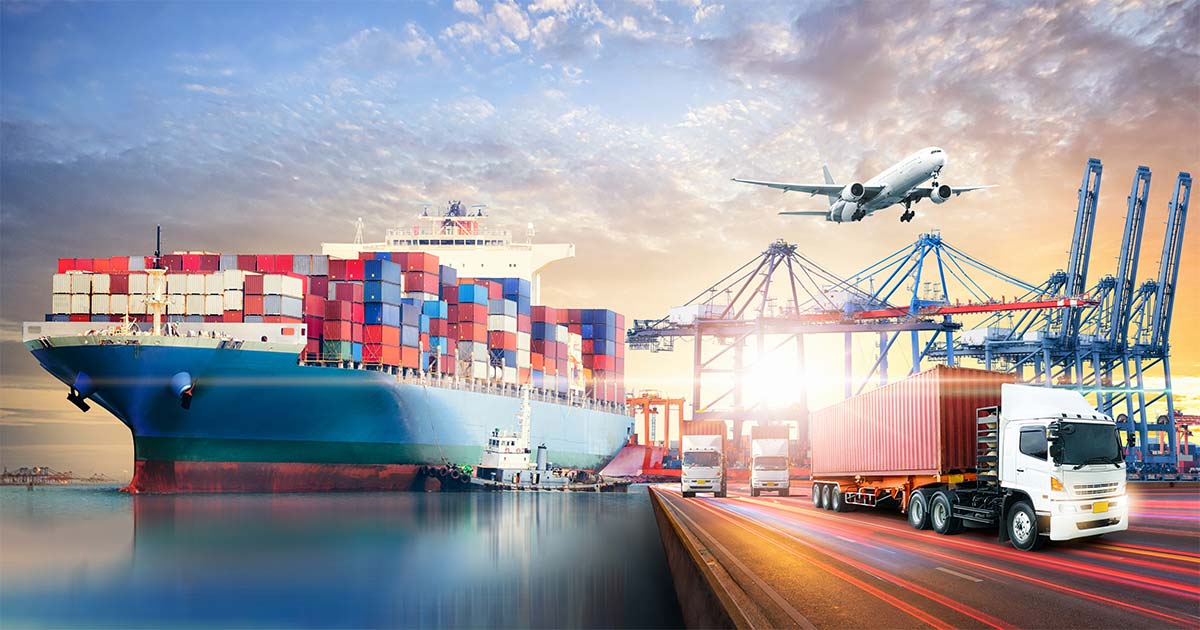
Export-import management focuses on the operational and regulatory aspects of international trade. The field covers foreign trade procedures, customs clearance, shipping and logistics, trade finance, international documentation, and compliance.
Export-import managers act as the link between manufacturers, suppliers, freight forwarders, customs authorities, banks, and overseas buyers or sellers.
Historical/Global Relevance
- International trade has driven global economic growth for centuries.
- With globalization and free-trade agreements, cross-border trade volumes expanded rapidly.
- Today, Export–Import Managers are critical to global supply chains, manufacturing exports, and international commerce.
Why students choose it
- Interest in global trade and logistics
- Opportunity to work with international markets and clients
- Strong demand across industries
- Stable and scalable career with global relevance
- Exposure to shipping, ports, customs, and trade finance
Roles & Responsibilities
Typical Duties:
- Managing export and import operations end-to-end
- Preparing and verifying trade documents (invoice, packing list, BL/AWB, COO)
- Coordinating with customs agents, freight forwarders, and shipping lines
- Ensuring compliance with trade laws, duties, and tariffs
- Managing Incoterms, pricing, and contracts
- Handling trade finance instruments (LCs, bank guarantees)
- Tracking shipments and resolving logistics issues
Industries They Work In:
- Export–import and trading companies
- Manufacturing and industrial firms
- FMCG and retail exporters
- Logistics and freight forwarding companies
- Ports, shipping, and supply chain firms
Key Skills Required
Trade & Technical Skills:
- Export–import procedures and documentation
- Customs regulations and HS codes
- Incoterms and international contracts
- Logistics, shipping, and freight management
- Trade finance and foreign exchange basics
Soft Skills:
- Attention to detail
- Negotiation and coordination
- Problem-solving
- Communication with international stakeholders
Emerging Skills:
- Digital trade documentation
- Cross-border e-commerce compliance
- Global trade analytics
- ESG and sustainable trade practices
Educational Pathway / Eligibility
Minimum Qualification:
- Class 12 (any stream; commerce preferred)
UG / PG Options:
- UG:
- BBA International Business
- BCom (Foreign Trade / Logistics)
- BA Economics
- PG:
- MBA / PGDM in International Business
- MBA Export–Import Management
- MSc Global Trade & Logistics
Certifications & Learning:
- Export–Import Management certification
- Customs clearance & logistics courses
- DGFT and foreign trade policy training
Course Details
Duration:
- UG: 3 years
- PG: 2 years
- Certifications: 3–6 months
Specializations:
- Export documentation & compliance
- Import operations & sourcing
- Trade finance & logistics
- International procurement
Typical Fees:
India:
- UG: ₹1 – 4 lakh per year
- PG: ₹4 – 15 lakh total
- Certifications: ₹30,000 – 1.5 lakh
Abroad:
- UG: USD 12,000 – 35,000 per year
- PG: USD 20,000 – 50,000 per year
Career Opportunities
Job Profiles:
- Export–Import Manager
- International Trade Executive
- Logistics & Trade Manager
- Foreign Trade Consultant
- Supply Chain & Compliance Manager
Scope: India vs. Abroad
- India: Strong demand due to export growth, MSMEs, and government trade initiatives
- Abroad: Opportunities in trading hubs, ports, logistics firms, and MNCs
Salary Trends
Level | India (per annum) | Abroad (per annum) |
Entry-level | ₹4 – 7 LPA | USD 45,000 – 60,000 |
Mid-level | ₹8 – 15 LPA | USD 70,000 – 100,000 |
Senior / Head | ₹20 – 40 LPA+ | USD 120,000+ |
Demand & Market Outlook
- Current Demand: High in manufacturing and trading sectors
- Global Demand: Strong across logistics and supply chain hubs
- Future Growth Trends:
- Cross-border e-commerce
- Digital customs and paperless trade
- Supply chain diversification
- Industry Drivers: Global trade recovery, export incentives, logistics modernization
Level of Preparation Required
- Strong understanding of trade rules and documentation
- Awareness of global markets and regulations
- Practical exposure through internships or logistics roles
- Ability to handle compliance and time-sensitive operations
Top Colleges & Institutions
India:
- Indian Institute of Foreign Trade (IIFT)
- Symbiosis Institute of International Business
- NMIMS (International Trade programs)
- World Trade Centers (training programs)
Abroad:
- University of Rotterdam (Logistics & Trade)
- University of Leeds
- ESCP Business School
- Global logistics institutes
Pros & Cons of this Career
Advantages:
- Globally relevant and stable career
- Strong demand across industries
- Exposure to international markets
- Opportunities to move into global supply chain roles
Challenges:
- Heavy documentation and compliance workload
- Time-zone and coordination challenges
- Dependence on regulations and policy changes
Work-Life Balance:
- Generally stable
- Can be demanding during shipment deadlines
Famous Professionals / Case Studies
- Trade managers handling large export portfolios
- Consultants advising global trade compliance
- Export leaders expanding Indian brands globally
Conclusion
A career as an Export–Import Manager is ideal for individuals interested in international trade, logistics, and global business operations. With increasing globalization, digital trade, and cross-border commerce, this role offers strong demand, stability, and global career opportunities.
👉 Students who are detail-oriented, globally aware, and interested in trade operations will find this career practical, respected, and future-ready.