
- Introduction / About the Career
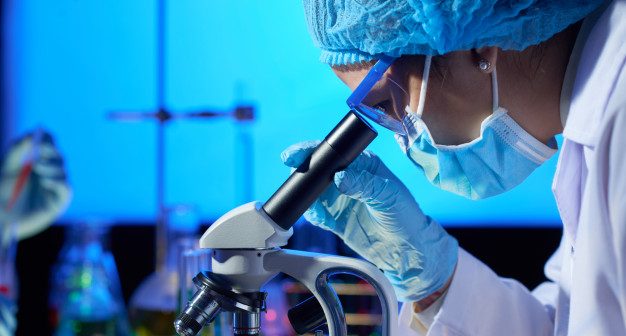
A biomedical scientist is a professional who studies diseases, human biology, and medical conditions at the cellular and molecular levels to improve healthcare, diagnosis, and treatment. They work in laboratories, hospitals, research institutions, and biotechnology companies to analyze samples, conduct experiments, and contribute to medical advancements.
Globally, biomedical science is vital for medical research, diagnostics, drug development, and public health. The field combines biology, chemistry, medicine, and technology to understand disease mechanisms and develop innovative therapies.
Why students choose this career:
- Passion for science and healthcare innovation.
- Interest in research, diagnostics, and laboratory work.
- Opportunities in hospitals, biotech, pharmaceuticals, and research institutes.
- Contributes directly to improving human health and medical knowledge.
- Roles & Responsibilities
Biomedical scientists are responsible for analyzing biological samples and conducting research. Typical duties include:
- Performing laboratory tests on blood, tissue, and other samples.
- Diagnosing diseases using lab techniques and scientific analysis.
- Researching disease mechanisms and drug development.
- Maintaining lab equipment, protocols, and safety standards.
- Documenting and reporting findings to medical teams or research supervisors.
- Collaborating with clinicians, doctors, and pharmaceutical scientists.
- Staying updated on emerging technologies and biomedical advancements.
Industries / Sectors Hiring Biomedical Scientists:
- Hospitals and Diagnostic Laboratories
- Research and Development in Pharmaceuticals
- Biotechnology and Life Sciences Companies
- Government Health Departments and Public Health Labs
- Academic and Research Institutions
- Key Skills Required
Technical Skills:
- Laboratory techniques (microscopy, cell culture, PCR, ELISA, etc.)
- Data analysis and bioinformatics
- Knowledge of molecular biology, immunology, and genetics
- Understanding of medical diagnostics and clinical procedures
Soft Skills:
- Analytical thinking and attention to detail
- Problem-solving and critical reasoning
- Communication and report-writing skills
- Patience and precision in experiments
- Teamwork and collaboration in research projects
Emerging Skills:
- Genomics, proteomics, and personalized medicine
- Bioinformatics and computational biology
- Advanced diagnostic tools and automation
- Research ethics and regulatory compliance
- Educational Pathway / Eligibility
Minimum Qualification: 10+2 with Science stream (Physics, Chemistry, Biology)
Undergraduate Courses:
- B.Sc. in Biomedical Science / Clinical Laboratory Science / Medical Laboratory Technology
- B.Sc. in Biotechnology/Life Sciences
Postgraduate Courses:
- M.Sc. in Biomedical Science / Molecular Biology / Biotechnology
- Ph.D. in Biomedical Research (optional for advanced research careers)
Professional Certifications:
- Clinical Laboratory Scientist (CLS) certification
- Certifications in Molecular Diagnostics, Cytogenetics, or Immunology
- Laboratory safety and quality management certifications
- Course Details
- Duration:
- B.Sc: 3–4 years
- M.Sc: 2 years
- Ph.D.: 3–5 years
- Specializations:
- Molecular Biology and Genetics
- Immunology and Microbiology
- Pathology and Clinical Diagnostics
- Biotechnology and Drug Development
- Public Health and Epidemiology
- Typical Fees:
- India: ₹50,000–3 lakhs for UG / PG courses
- Abroad: USD $10,000–$30,000 for UG / PG courses
- Career Opportunities
Job Roles:
- Biomedical Scientist / Laboratory Scientist
- Clinical Research Associate
- Diagnostic Laboratory Technician
- Research Scientist in Pharmaceuticals / Biotechnology
- Quality Control / Regulatory Affairs Specialist
- Academic Lecturer or Researcher
Industries / Sectors Hiring:
- Hospitals and Clinical Laboratories
- Biotech and Pharmaceutical Companies
- Research Institutes and Universities
- Government Public Health Departments
- Diagnostic and Medical Testing Labs
Scope in India vs. Abroad:
- India: Increasing demand in hospitals, diagnostic labs, and research institutes.
- Abroad: Strong demand in research labs, biotech, and healthcare institutions, especially in Europe, USA, and Australia.
- Salary Trends
- Entry-Level (India): ₹3–6 LPA
- Mid-Level / Experienced: ₹6–12 LPA
- Senior / Specialist Roles: ₹12–25 LPA+
Abroad:
- Average Salary: USD $45,000–$80,000 per year
- Senior researchers or lab heads can earn USD $100,000+
- Demand & Market Outlook
- Biomedical science is a fast-growing field due to advancements in genomics, diagnostics, and biotechnology.
- Rising healthcare needs, pharmaceutical research, and diagnostic services drive high demand.
- Trends include personalized medicine, AI-assisted diagnostics, and advanced molecular research.
- Government and private research funding are expanding career opportunities in India and abroad.
- Level of Preparation Required
Academic Preparation: Strong foundation in biology, chemistry, and laboratory sciences.
Practical Exposure: Laboratory internships, research projects, and hands-on experiments.
Certifications: Lab techniques, molecular diagnostics, quality management, and research ethics add value.
- Top Colleges & Universities
Top Indian Institutes:
- All India Institute of Medical Sciences (AIIMS), New Delhi – Biomedical Science Programs
- Christian Medical College (CMC), Vellore – Clinical Laboratory & Biomedical Science
- Jawaharlal Nehru University (JNU), Delhi – Biotechnology & Biomedical Science
- Manipal Academy of Higher Education – Biomedical Science Programs
- Amity University – B.Sc / M.Sc Biomedical Science
Top International Universities:
- Harvard University, USA – Biomedical Sciences Programs
- University of Cambridge, UK – Biomedical Science & Research
- Johns Hopkins University, USA – Molecular & Cellular Biology
- University of Melbourne, Australia – Biomedical Science Programs
- University of Toronto, Canada – Biomedical & Life Sciences
- Pros & Cons
Pros:
- High demand in healthcare, diagnostics, and research
- Opportunities for specialization and advanced research
- Contributes directly to improving human health
- Opportunities globally in hospitals, labs, and pharma
Cons:
- Requires strong dedication to research and lab work
- Work may involve exposure to infectious materials and chemicals
- Salaries may vary in early career stages in India
- Long hours in labs or research environments
- Famous Personalities / Case Studies
- Dr. Jonas Salk: Developed the first effective polio vaccine.
- Dr. James Watson & Francis Crick: Discovered the structure of DNA.
- Dr. Raghunath Mashelkar (India): Renowned scientist in biotechnology and biomedical research.
- Conclusion
A career as a Biomedical Scientist is ideal for students who are curious, analytical, and passionate about medical research and healthcare innovation. With the growth of biotechnology, diagnostics, and pharmaceutical research, this career offers high demand, global opportunities, and the ability to contribute to life-saving advancements.
Students who enjoy research, laboratory work, and solving complex biological problems will find this career rewarding, intellectually stimulating, and future-ready.