
Introduction / About the Career
What the course/field is about
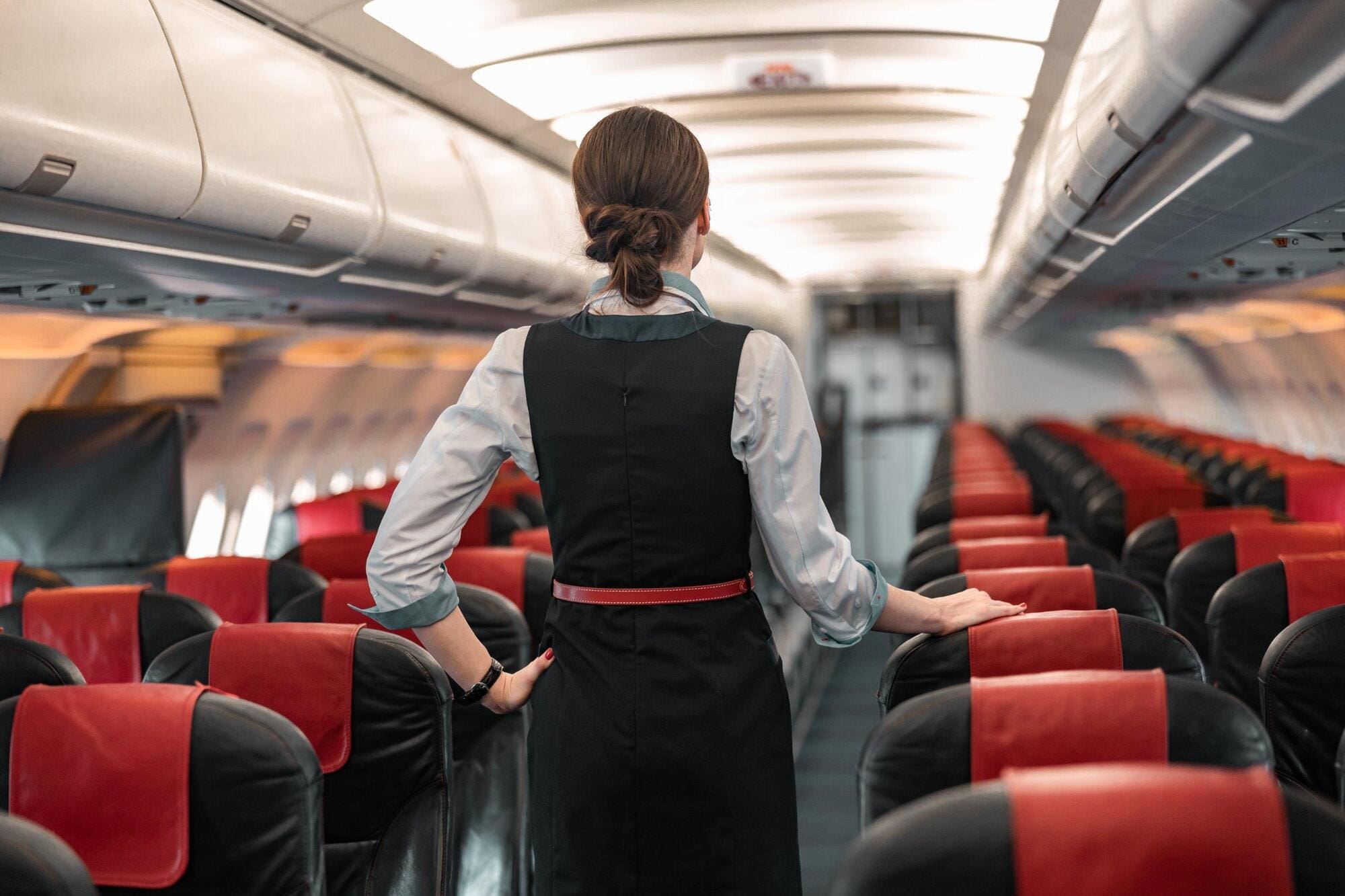
Cabin Crew training focuses on aviation safety procedures, emergency handling, customer service, communication, and hospitality. Flight attendants are trained to manage inflight emergencies, provide high-quality passenger service, and maintain a safe and calm cabin environment during flights.
Historical / Global Relevance
- Cabin crew roles evolved alongside commercial aviation to enhance passenger safety and comfort.
- Globally, flight attendants are essential to airline operations and inflight safety compliance.
- With the growth of international air travel, cabin crew careers offer global exposure and cultural interaction.
Why students choose it
- Passion for travel and interacting with people
- Opportunity to work in an international, dynamic environment
- Good salary with allowances and travel benefits
- No technical engineering or pilot training required
- Prestigious role representing global airlines
Roles & Responsibilities
Typical Duties:
- Ensuring passenger safety and demonstrating safety procedures
- Assisting passengers during boarding and seating
- Serving meals, beverages, and inflight services
- Handling medical or emergency situations onboard
- Ensuring compliance with aviation safety regulations
- Providing excellent customer service and resolving passenger concerns
Industries They Work In:
- Domestic and international airlines
- Charter and private aviation companies
- Business and corporate aviation services
Key Skills Required
Technical Skills:
- Aviation safety and emergency procedures
- Aircraft cabin systems knowledge
- First aid and medical response
- Airline service protocols
Soft Skills:
- Excellent communication and interpersonal skills
- Calmness under pressure and emotional intelligence
- Professional appearance and grooming standards
- Teamwork and customer-centric attitude
Emerging Skills:
- Multilingual communication
- Cultural sensitivity and global etiquette
- Crisis and conflict management
- Digital in-flight service systems
Educational Pathway / Eligibility
Minimum Qualification:
- Class 12 (any stream)
Airline Selection Requirements:
- Minimum age: 18–21 years (varies by airline)
- Height, arm reach, and vision standards as per airline norms
- Clear speech and English proficiency (additional languages preferred)
- Medical fitness as per aviation standards
Training:
- Airline-provided cabin crew training (3–6 months) after selection
- Safety, emergency procedures, grooming, and customer service training
International Pathways:
- Recruitment by international airlines through open days and assessments
- ICAO-compliant safety and medical standards
Course Details
Duration:
- Airline Training: 3 – 6 months
- Recurrent training conducted annually
Specializations:
- Economy / Business / First Class Service
- Inflight Safety Specialist
- Cabin Crew Trainer or Supervisor (with experience)
Typical Fees:
India:
- Training is usually airline-sponsored (some airlines may charge minimal fees)
Abroad:
- Some airlines may require self-sponsored training: USD 2,000 – 5,000
Career Opportunities
Job Profiles:
- Cabin Crew / Flight Attendant
- Senior Cabin Crew
- Lead Cabin Crew / Purser
- Inflight Service Manager
- Cabin Crew Trainer
Industries Hiring:
- Domestic and international airlines
- Charter and business aviation operators
Scope: India vs. Abroad
- India: Growing demand with airline expansion and regional connectivity
- Abroad: High demand in Middle East, Europe, and Asia-Pacific airlines
Salary Trends
Level | India (per annum) | Abroad (per annum) |
Entry-level | ₹4–7 LPA | USD 30,000–50,000 |
Mid-level | ₹7–12 LPA | USD 50,000–80,000 |
Senior/Purser | ₹12–20 LPA+ | USD 90,000+ |
(Includes flying allowances and benefits)
Demand & Market Outlook
- Current Demand: High due to fleet expansion and increased passenger traffic
- Global Demand: Strong, especially for multilingual cabin crew
- Future Growth Trends:
- Expansion of international routes
- Premium cabin services
- Focus on passenger experience and safety
- Industry Drivers: Tourism growth, low-cost carrier expansion, and global travel recovery
Level of Preparation Required
- Excellent communication and grooming standards
- Physical fitness and stamina
- Customer service training and soft-skills development
- Confidence and emotional resilience
Top Airlines for Cabin Crew Careers
India:
- IndiGo
- Air India
- Vistara
- Akasa Air
Abroad:
- Emirates
- Qatar Airways
- Singapore Airlines
- Etihad Airways
- British Airways
Pros & Cons of this Career
Advantages:
- Opportunity to travel globally
- Attractive lifestyle and allowances
- International exposure and networking
- No long-term academic commitment
Challenges:
- Irregular schedules and jet lag
- Physically demanding and time away from family
- Strict grooming and performance standards
Work-Life Balance:
- Can be challenging initially
- Improves with experience and seniority
Famous Personalities / Case Studies
- Senior cabin crew members progressing to inflight managers and trainers
- Cabin crew transitioning into aviation management and training roles
Conclusion
A career as a Cabin Crew member or Flight Attendant is ideal for individuals who enjoy travel, hospitality, and people-oriented roles. With strong demand in global aviation, this career offers exciting experiences, financial stability, and international exposure.
👉 Students with excellent communication skills, confidence, and a service mindset will find this career both glamorous and professionally rewarding.