
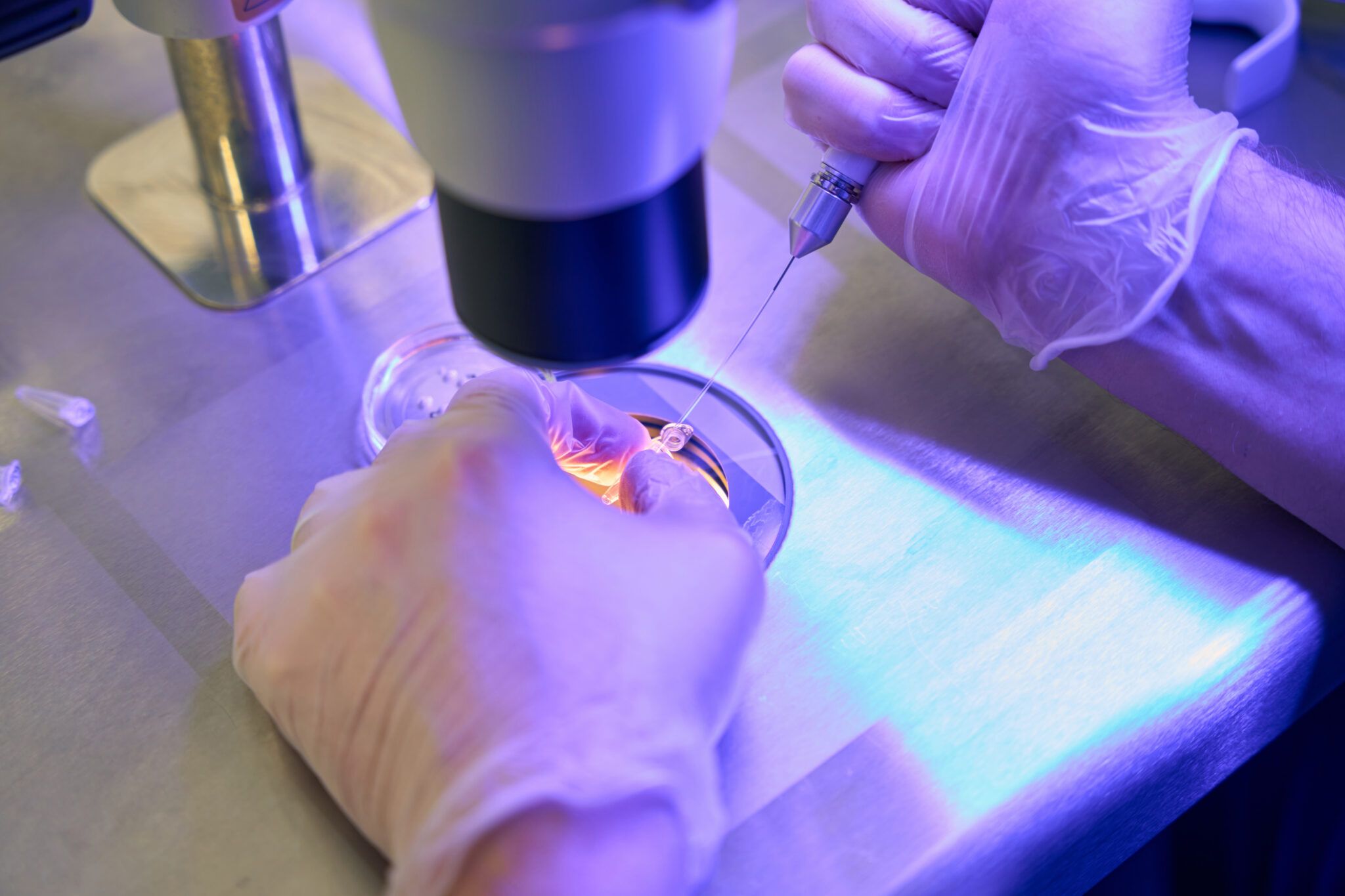
- Introduction / About the Career
What it’s about:
Cell biology is the scientific study of the structure, function, and behavior of cells—the fundamental units of life. Cell biologists explore how cells grow, divide, interact, and respond to their environment. Their discoveries drive progress in medicine, genetics, and biotechnology, shaping everything from cancer research to regenerative therapies.
Historical / Global Relevance:
Since the invention of the microscope in the 17th century, cell biology has evolved dramatically. Landmark discoveries such as the Cell Theory, DNA structure, and stem cell technology have transformed our understanding of life. Today, cell biologists play a crucial role in tackling global health issues and developing advanced medical treatments.
Why students choose it:
Students are drawn to cell biology for its scientific depth, research-driven nature, and direct contribution to human health, biotechnology, and innovation.
- Roles & Responsibilities
Cell biologists typically:
- Conduct laboratory experiments to study cell structure, growth, and behavior.
- Analyze how cells interact with drugs, chemicals, or diseases.
- Use microscopes and molecular biology techniques to observe cellular processes.
- Contribute to medical and pharmaceutical research.
- Collaborate with geneticists, biotechnologists, and medical researchers.
Industries/Work Areas:
- Biomedical Research
- Pharmaceuticals & Biotechnology
- Academic & Government Research Labs
- Healthcare & Diagnostics
- Environmental and Agricultural Research
- Key Skills Required
Technical Skills:
- Molecular biology, genetics, and biochemistry knowledge.
- Laboratory techniques such as microscopy, PCR, cell culture, and electrophoresis.
- Data interpretation, bioinformatics, and image analysis.
- Familiarity with safety protocols and laboratory instrumentation.
Soft Skills:
- Analytical thinking and problem-solving.
- Precision, patience, and attention to detail.
- Curiosity and persistence in research.
- Strong written and verbal communication.
Emerging Skills:
- Single-cell genomics.
- CRISPR and genetic editing tools.
- Artificial intelligence in cell imaging and analysis.
- Educational Pathway / Eligibility
Minimum Qualification:
10+2 with physics, chemistry, and biology.
Eligibility:
Strong interest in biological sciences, research, and laboratory work.
Entrance Exams (India):
CUET, NEET, or university-level entrance exams for life science courses.
Study Pathway:
- UG: B.Sc. in Biology / Biotechnology / Microbiology / Life Sciences.
- PG: M.Sc. in Cell Biology / Molecular Biology / Biomedical Sciences.
- Doctorate: Ph.D. in Cell Biology or related specialization for research or academic careers.
Certifications: Advanced cell imaging, microscopy, bioinformatics, or lab management courses.
- Course Details
Duration:
- UG: 3 years
- PG: 2 years
- Ph.D.: 3–5 years
Specializations:
- Molecular and Cell Biology
- Developmental Biology
- Cellular Biochemistry
- Immunology
- Stem Cell and Regenerative Medicine
Typical Fees:
- India: ₹1–3 lakh per year
- Abroad: USD 25,000–50,000 per year
- Career Opportunities
Job Profiles:
- Cell Biologist/Research Scientist
- Biomedical Researcher
- Clinical Laboratory Technologist
- Quality Control Analyst
- Biotech Product Developer
- Academic Lecturer/Professor
Industries/Sectors Hiring:
- Research Institutions (CSIR, ICMR, DBT Labs)
- Pharmaceutical & Biotech Firms
- Universities & Medical Colleges
- Government Health Agencies
- Private R&D Companies
Scope in India vs. Abroad:
- India: Growing need for skilled researchers in healthcare, pharma, and agriculture.
- Abroad: High demand in developed countries for biomedical and genetic research specialists.
- Salary Trends
India:
- Entry-Level: ₹3 – 6 LPA
- Mid-Level: ₹8–12 LPA
- Senior/Research Lead: ₹15 – 25 LPA+
Abroad:
- Entry-Level: USD 45,000–65,000 per year
- Mid-Level: USD 70,000–100,000 per year
- Senior Roles: USD 120,000+ per year
- Demand & Market Outlook
- High global demand due to rapid advances in genetics, drug discovery, and regenerative medicine.
- India’s biotechnology sector is expected to reach USD 150 billion by 2025, creating opportunities for cell biology professionals.
- Growth areas include cancer biology, immunology, and stem cell research.
Government Initiatives: “Make in India” for Biotech, DBT fellowships, and Biotech Parks support research and innovation.
- Level of Preparation Required
- Strong foundation in life sciences during school.
- Participate in lab internships, workshops, or summer research projects.
- Publish papers or join academic societies for exposure.
- Learn advanced lab tools and techniques to stand out.
- Top Colleges & Universities
In India:
- Indian Institute of Science (IISc), Bangalore
- Jawaharlal Nehru University (JNU), Delhi
- IIT Bombay / Delhi / Kharagpur
- University of Hyderabad
- Vellore Institute of Technology (VIT)
Abroad:
- Harvard University (USA)
- University of Cambridge (UK)
- University of California, San Francisco (UCSF)
- ETH Zurich (Switzerland)
- National University of Singapore (NUS)
- Pros & Cons of this Career
Advantages:
- Exciting field of discovery and innovation.
- Opportunities to contribute to disease cures and scientific advancements.
- Research roles offer intellectual satisfaction and recognition.
Challenges:
- Long academic and research path.
- Competitive funding and limited job openings in some regions.
- High pressure in research environments.
Work-Life Balance:
Moderate—varies with lab schedules and research demands.
- Famous Personalities / Case Studies
- Dr. George Palade—Nobel laureate known as the “Father of Cell Biology.”
- Dr. Shinya Yamanaka – Discovered induced pluripotent stem cells.
- Dr. Rita Levi-Montalcini – Discovered nerve growth factors in cells.
- Conclusion
A career as a cell biologist offers the chance to explore life at its most fundamental level—the cell. From medical breakthroughs to environmental research, this field combines curiosity, science, and purpose.