
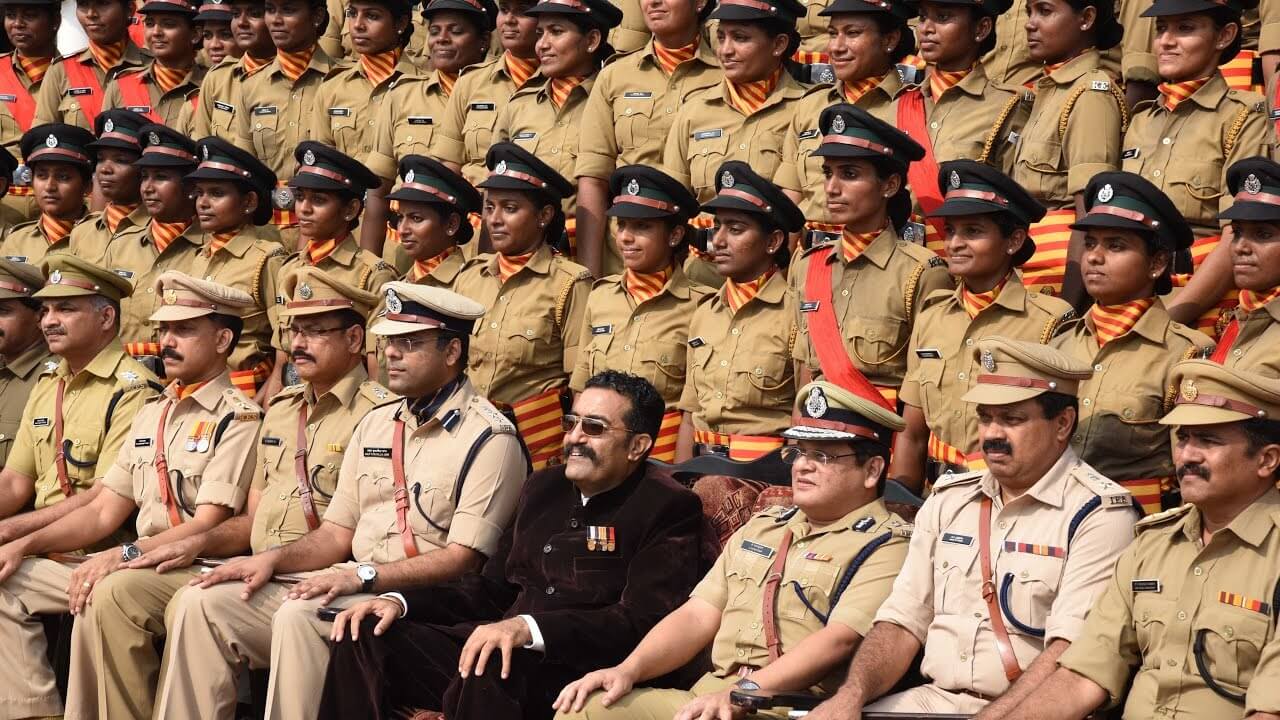
- Introduction / About the Career
What the Field is About:
Civil Services Officers are part of the administrative backbone of the country, responsible for implementing government policies, maintaining law and order, and managing public administration. They serve in various capacities across central and state governments.
Historical / Global Relevance:
- Civil services in India date back to the British-era Indian Civil Service (ICS).
- Globally, civil services are considered prestigious roles for governance and policy implementation, such as the U.S. Federal Service or UK Civil Service.
Why Students Choose It:
- Prestige and respect in society
- Opportunity to make a tangible impact on society
- Job security, benefits, and allowances
- Scope for leadership and decision-making
- Roles & Responsibilities
Typical Duties:
- Formulate and implement government policies
- Maintain law and order and public welfare
- Revenue administration and resource management
- Supervise public service delivery (education, health, transport, etc.)
- Coordinate between ministries, departments, and districts
- Represent India in international forums (for diplomatic postings, IFS)
Scope Across Sectors:
- Central and State Government Departments
- District Administration (Collector / District Magistrate roles)
- Foreign Affairs (Indian Foreign Service)
- Revenue & Tax Administration (IRS)
- Law and Order (IPS)
- Key Skills Required
Technical Skills:
- Administrative knowledge and governance principles
- Policy analysis and project management
- Legal and financial knowledge (for IRS, IAS, IES roles)
Soft Skills / Personality Traits:
- Leadership & decision-making
- Communication & negotiation
- Analytical thinking and problem-solving
- Integrity, patience, and adaptability
Emerging Skills:
- E-governance and digital administration
- Data analysis for policymaking
- Crisis management and disaster response
- Educational Pathway / Eligibility
Minimum Qualifications:
- Graduate degree from a recognized university in any stream
Entrance Exams / Selection:
- UPSC Civil Services Examination (CSE):
- Stage 1: Preliminary Exam (Objective)
- Stage 2: Mains Exam (Descriptive)
- Stage 3: Interview / Personality Test
Course Options:
- No formal degree specialization required, but preparation in history, polity, economy, geography, and current affairs is crucial.
- Course Details
Duration:
- UPSC preparation: 1–2 years on average
- Training at LBSNAA (for IAS officers) lasts 2 years
Specializations Available:
- Indian Administrative Service (IAS)
- Indian Police Service (IPS)
- Indian Foreign Service (IFS)
- Indian Revenue Service (IRS)
- Other central services: Indian Audit & Accounts Service, Indian Civil Accounts Service, etc.
Typical Fees:
- India: Minimal; coaching optional (₹50,000 – ₹3,00,000 for 1-year coaching)
- Abroad: N/A (mostly Indian exams)
- Career Opportunities
Job Profiles:
- District Collector / Magistrate (IAS)
- Police Commissioner / Superintendent (IPS)
- Indian Ambassador / Diplomat (IFS)
- Revenue Officer, Tax Commissioner (IRS)
- Policy Analyst, Administrative Officer
Industries / Sectors Hiring:
- Central Government Ministries
- State Governments
- Foreign Affairs / Diplomatic Missions
- Public Sector Undertakings (postings for civil servants)
Scope in India vs. Abroad:
- India: Highly prestigious, varied career across administration, law, and governance
- Abroad: Opportunities in diplomacy and international civil service postings
- Salary Trends
Level | India (Annual) |
Entry-Level IAS/IPS/IFS | ₹56,100 – ₹1,00,000 + Allowances |
Mid-Level Officer | ₹1.2 – ₹2 Lakh + Allowances |
Senior / Secretary-Level | ₹2 – ₹2.5+ Lakh + Perks |
Includes housing, travel allowances, and pensions.
- Demand & Market Outlook
- India: UPSC exams attract millions of aspirants every year; civil services remain highly competitive and sought-after.
- Global: Indian civil servants participate in UN, IMF, World Bank, and diplomatic missions.
- Government initiatives like Digital India, Skill India, and e-governance increase the scope for innovative administrative roles.
- Level of Preparation Required
Academic Preparation:
- Strong foundation in history, polity, geography, economics, and current affairs
- Essay writing and analytical skills
Internships & Practical Exposure:
- Volunteering with NGOs or government schemes
- Participation in Model UN, debates, and leadership programs
Additional Certifications:
- Public Administration, Governance, or Policy Analysis courses
- Foreign language courses (beneficial for IFS)
- Top Colleges / Training Institutes
Leading Institutes in India:
- Lal Bahadur Shastri National Academy of Administration (LBSNAA), Mussoorie
- Jawaharlal Nehru University (JNU) – Political Science / Public Administration
- Delhi University – Economics / Political Science / History
Popular International Exposure:
- Harvard Kennedy School (Public Policy)
- Oxford University – Global Governance
- London School of Economics – Public Administration
- Pros & Cons of this Career
Advantages:
- Highly respected and prestigious career
- Job security and growth opportunities
- Opportunity to serve society and impact policies
- Diverse work profile across administration, law, and diplomacy
Challenges:
- Extremely competitive selection
- Long working hours and high responsibility
- Stressful decision-making environment
Work-Life Balance:
- Moderate; depends on posting and administrative responsibilities
- Famous Personalities / Case Studies
- T.N. Seshan: Former Chief Election Commissioner of India, known for electoral reforms
- Kiran Bedi: First female IPS officer in India
- Raghuram Rajan (IAS to Economist): Example of administrative foundation leading to global impact
- Arun Jaitley: IAS background influencing policy and governance
- Conclusion
Civil Services is a prestigious, impactful, and highly rewarding career.
For students aiming for leadership, societal contribution, and professional growth, it offers diverse opportunities in administration, law enforcement, diplomacy, and revenue services.
With India’s growing governance and policy landscape, civil services remain one of the most respected and sought-after careers in the country.