
Introduction / About the Career
What the course/field is about
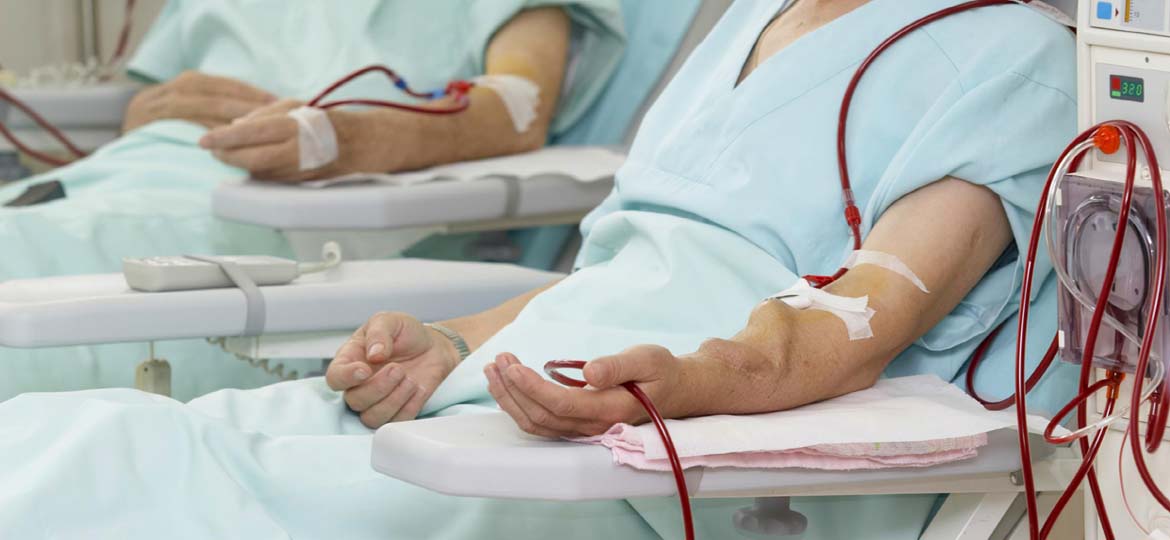
Dialysis Technology focuses on the principles and practices of renal replacement therapy for patients suffering from acute or chronic kidney failure. Dialysis technologists are trained in operating dialysis equipment, monitoring patients during treatment, maintaining infection control, and assisting nephrologists in providing effective renal care.
Historical/Global Relevance
- Dialysis became a breakthrough medical technology in the mid-20th century
• Has transformed survival rates and quality of life for kidney failure patients
• Dialysis services are essential worldwide due to rising lifestyle diseases
• A critical component of modern hospitals, dialysis centers, and home-care models
Why students choose it
- Desire to work in a life-saving healthcare profession
• Shorter course duration compared to many medical degrees
• High employability in hospitals and dialysis centers
• Growing demand due to increasing kidney disease cases
• Opportunity to work in both clinical and technical roles
Roles & Responsibilities
Typical Duties:
• Preparing dialysis machines and consumables
• Monitoring patients’ vitals during dialysis sessions
• Assisting in hemodialysis and peritoneal dialysis procedures
• Maintaining sterile and infection-control standards
• Troubleshooting dialysis equipment
• Recording treatment data and patient observations
• Educating patients on dialysis procedures and safety
Industries They Work In:
• Hospitals and multispecialty clinics
• Dedicated dialysis centers
• Nephrology clinics
• Home dialysis services
• Medical equipment companies
• Government and private healthcare facilities
Key Skills Required
Technical Skills:
• Dialysis machine operation and maintenance
• Basic renal anatomy and physiology
• Infection control and sterilization techniques
• Patient monitoring and emergency response
• Biomedical equipment handling
Soft Skills:
• Compassion and patient-care mindset
• Attention to detail and accuracy
• Ability to work under pressure
• Communication and teamwork
• Physical stamina
Emerging Skills:
• Home dialysis support systems
• Advanced dialysis technologies
• Electronic patient monitoring systems
• Quality control and safety compliance
Educational Pathway / Eligibility
Minimum Qualification:
• Class 12 (Science stream – PCB preferred)
UG/Diploma Options:
• Diploma in Dialysis Technology – 2 years
• BSc Dialysis Technology / Renal Dialysis Technology – 3 years
Entrance & Certification (India):
• Admission through merit or institute-level entrance exams
• Clinical internship mandatory
• Registration with relevant healthcare councils (where applicable)
International Pathways:
• Similar roles available as Dialysis Technician / Renal Technologist
• Country-specific certification and licensing required
• Bridge programs or exams may be needed for overseas practice
Course Details
Duration:
• Diploma: 2 years
• BSc: 3 years (+ internship in some institutes)
Specializations:
• Hemodialysis
• Peritoneal Dialysis
• Home Dialysis Support
• Dialysis Equipment Management
Typical Fees:
India:
• Diploma: ₹1 – 3 lakh
• BSc: ₹2 – 5 lakh
Abroad:
• Certificate/Degree Programs: USD 15,000 – 30,000 per year
Career Opportunities
Job Profiles:
• Dialysis Technologist / Technician
• Renal Dialysis Technician
• Dialysis Unit Coordinator
• Home Dialysis Technician
• Technical Support Executive (Dialysis Equipment)
Industries Hiring:
• Hospitals and dialysis centers
• Nephrology clinics
• Medical device companies
• Home healthcare providers
• Government health services
Scope: India vs. Abroad
• India: Rising chronic kidney disease (CKD), expanding dialysis centers under public health schemes
• Abroad: Consistent demand due to aging population and lifestyle diseases
Salary Trends
Level | India (per annum) | Abroad (per annum) |
Entry-level | ₹2 – 4 LPA | USD 35,000 – 50,000 |
Mid-level | ₹4 – 7 LPA | USD 55,000 – 70,000 |
Senior / Supervisor | ₹8 – 12 LPA | USD 70,000+ |
Demand & Market Outlook
- Current Demand: High and increasing
• Global Demand: Stable and growing
• Future Growth Trends:
o Increase in lifestyle-related kidney diseases
o Expansion of government dialysis programs
o Growth of home-based dialysis care
o Technological advancements in dialysis equipment
Level of Preparation Required
- Strong interest in healthcare and patient care
• Basic understanding of biology
• Willingness to work in clinical environments
• Emotional resilience and adherence to hygiene protocols
Top Colleges & Training Institutes
India:
• All India Institute of Medical Sciences (AIIMS) – Allied Health Programs
• Christian Medical College (CMC), Vellore
• Apollo College of Allied Health Sciences
• Manipal College of Health Professions
Abroad:
• Community colleges and healthcare institutes (USA, Canada)
• Specialized renal care training centers
• Hospital-based dialysis training programs
Pros & Cons of this Career
Advantages:
• Life-saving and impactful profession
• Shorter training duration
• Strong job security
• High demand in healthcare sector
Challenges:
• Physically and emotionally demanding
• Shift duties including nights
• Exposure to high-risk clinical environments
Work-Life Balance:
• Shift-based schedules
• Predictable routines in many dialysis units
Famous Personalities / Case Studies
- Willem Johan Kolff – Inventor of the artificial kidney
• Dialysis technologists supporting national renal care programs
• Professionals advancing into healthcare management or biomedical roles
Conclusion
Dialysis technology is a high-demand allied healthcare career offering job stability, meaningful patient impact, and rapid employability. With rising kidney-related health issues globally, trained dialysis technologists are essential to modern healthcare systems.
👉 Students seeking a practical, service-oriented medical career with strong employment prospects will find Dialysis Technology to be a rewarding and future-ready choice.