
Introduction / About the Career
What the course/field is about
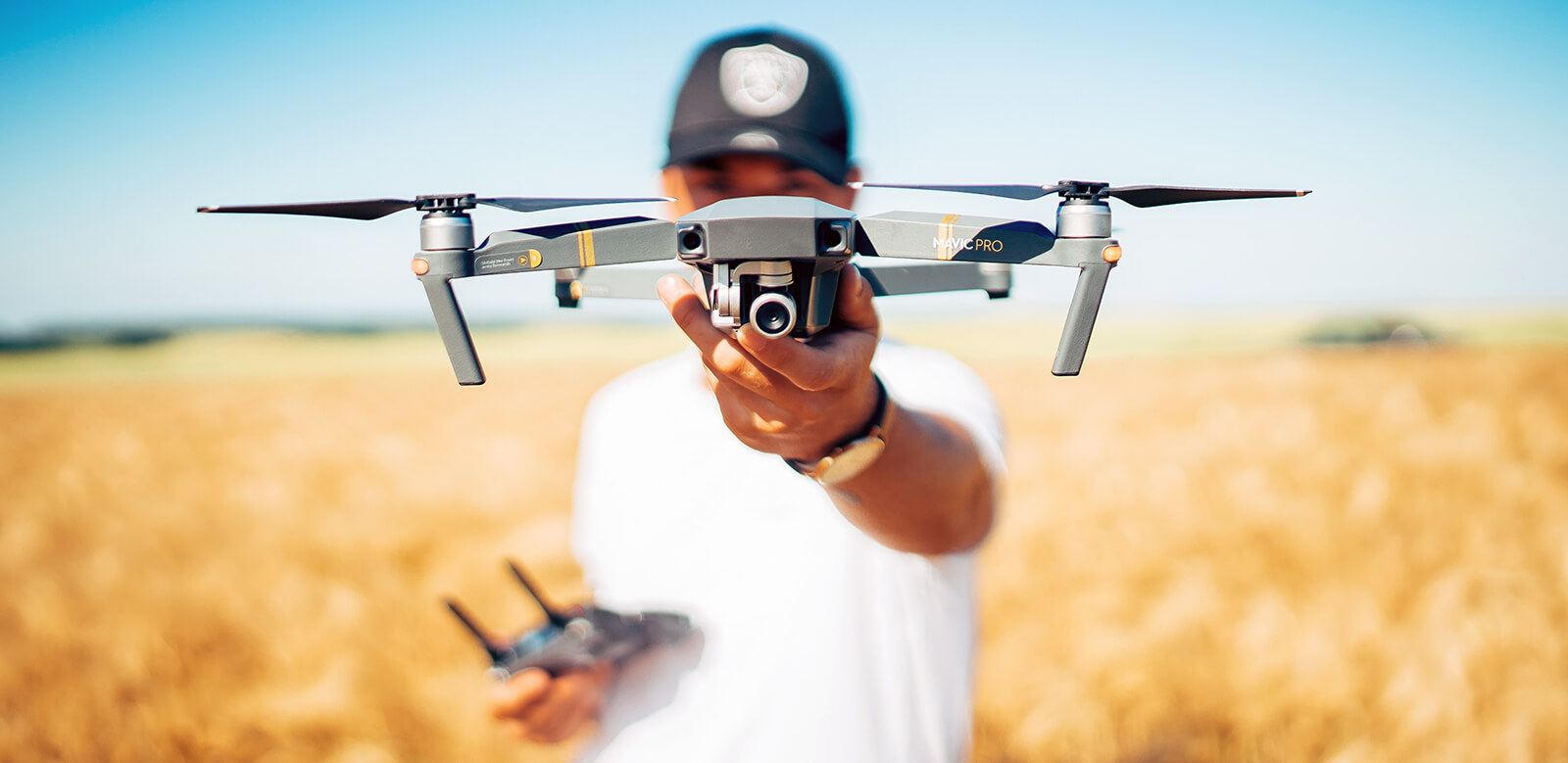
Drone and UAV specialization focuses on unmanned aircraft systems, including drone design, flight operations, navigation, payload integration, data processing, and regulatory compliance. UAV specialists work with hardware, software, sensors, and analytics to operate drones safely and efficiently across multiple industries.
Historical / Global Relevance
- UAVs were initially developed for military and defence applications and have rapidly expanded into civilian and commercial use.
- Drones are now widely used in agriculture, infrastructure inspection, filmmaking, logistics, and disaster management.
- Globally, UAV technology is one of the fastest-growing sectors within aviation and robotics.
Why students choose it
- Interest in robotics, aviation, and emerging technology
- Fast-growing industry with diverse applications
- Lower entry barriers compared to traditional aviation roles
- Opportunities in startups, government projects, and private firms
- Hands-on, innovative, and future-oriented career
Roles & Responsibilities
Typical Duties:
- Operating and piloting drones for various applications
- Planning UAV missions and ensuring safe operations
- Maintaining and repairing drone hardware and systems
- Integrating cameras, sensors, and payloads
- Processing and analysing aerial data
- Ensuring compliance with aviation and drone regulations
Industries They Work In:
- Drone service providers and UAV startups
- Defence and security organizations
- Agriculture and precision farming companies
- Infrastructure inspection and surveying firms
- Media, filmmaking, and photography companies
Key Skills Required
Technical Skills:
- UAV flight operations and navigation
- Drone hardware, sensors, and payload systems
- Basic electronics and embedded systems
- Data processing, GIS, and mapping software
Soft Skills:
- Situational awareness and safety focus
- Problem-solving and troubleshooting
- Communication and teamwork
- Attention to detail
Emerging Skills:
- Autonomous and AI-powered drones
- Swarm drone technology
- BVLOS (Beyond Visual Line of Sight) operations
- Drone data analytics and AI-based imaging
Educational Pathway / Eligibility
Minimum Qualification:
- Class 10 / 12 (requirements vary by training program)
Training & Certification (India):
- DGCA-approved Remote Pilot Training Organization (RPTO) course
- Remote Pilot Certificate (RPC)
- Category-specific drone licensing
UG / PG Options (Optional but beneficial):
- B.Tech / B.E. in Aerospace, Electronics, Robotics, or Mechanical Engineering
- Diploma or certification in UAV technology and robotics
International Pathways:
- UAV operator and specialist certifications
- Country-specific aviation authority licensing
Course Details
Duration:
- Drone Pilot / UAV Specialist Course: 1 – 6 months
- Advanced specialization programs: 6 – 12 months
Specializations:
- Aerial Surveying & Mapping
- Agricultural Drones
- Defence & Surveillance UAVs
- Industrial Inspection Drones
- Cinematography & Media Drones
Typical Fees:
India:
- Drone Training: ₹30,000 – 2 lakhs
Abroad:
- UAV Certification: USD 1,000 – 5,000
Career Opportunities
Job Profiles:
- Drone Pilot / UAV Operator
- UAV Specialist / Technician
- Drone Data Analyst
- UAV Systems Engineer
- Drone Project Manager
Industries Hiring:
- Drone startups and service providers
- Defense and homeland security
- Agriculture and infrastructure companies
- Media and production houses
- Smart city and surveying projects
Scope: India vs. Abroad
- India: Rapid growth driven by Drone Rules, agriculture, and infrastructure projects
- Abroad: Strong demand in USA, Europe, and Middle East for commercial UAV operations
Salary Trends
Level | India (per annum) | Abroad (per annum) |
Entry-level | ₹3 – 6 LPA | USD 40,000 – 60,000 |
Mid-level | ₹6 – 12 LPA | USD 70,000 – 100,000 |
Senior / Specialist | ₹12 – 20 LPA+ | USD 120,000+ |
Demand & Market Outlook
- Current Demand: Very high across commercial and government sectors
- Global Demand: Rapidly growing worldwide
- Future Growth Trends:
- Drone delivery and logistics
- AI-based aerial analytics
- Smart cities and infrastructure monitoring
- Industry Drivers: Government drone policies, automation, and data-driven industries
Level of Preparation Required
- Understanding of drone technology and safety procedures
- Hands-on flight practice and mission planning
- Knowledge of aviation and drone regulations
- Continuous upskilling in software and analytics
Top Training Institutes & Platforms
India:
- DGCA-approved RPTOs
- IITs and technical institutes offering UAV programs
- Private drone academies
Abroad:
- FAA Part 107 Training (USA)
- EASA-certified drone programs (Europe)
- Commercial UAV training providers
Pros & Cons of this Career
Advantages:
- High-growth, future-ready career
- Wide industry applications
- Lower entry cost and flexible pathways
- Opportunities for entrepreneurship and freelancing
Challenges:
- Rapidly changing regulations
- Weather and operational limitations
- High competition in basic operator roles
Work-Life Balance:
- Flexible in project-based roles
- Can be demanding during field operations
Famous Personalities / Case Studies
- UAV innovators and drone startup founders
- Specialists supporting disaster relief and infrastructure projects
- Engineers developing autonomous and swarm drones
Conclusion
A career as a Drone / UAV Specialist is ideal for individuals passionate about aviation, robotics, and emerging technologies. With expanding applications across industries and supportive government policies, this field offers innovation, flexibility, and strong growth potential.
👉 Students who enjoy hands-on technology, flying systems, and data-driven applications will find this career exciting and future-proof.