
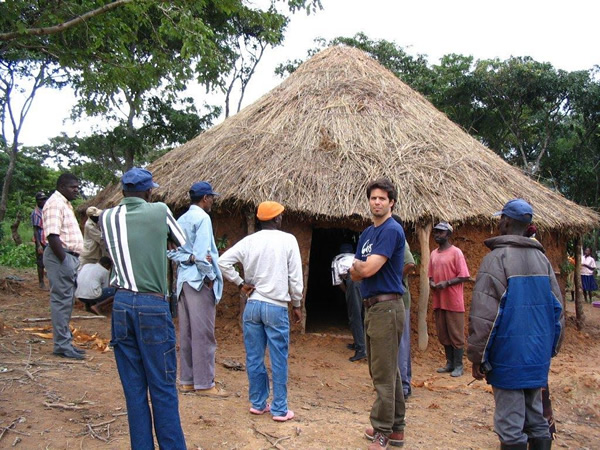
Introduction / About the Career
What the course/field is about
International NGO Program Management focuses on managing cross-border development programs in areas such as education, health, climate change, gender equality, livelihoods, humanitarian relief, and governance. Program managers ensure that projects are well-planned, funded, executed, monitored, and evaluated according to donor and impact requirements.
They act as a bridge between donors, field teams, governments, and communities.
Historical / Global Relevance
- NGOs expanded significantly after global conflicts and humanitarian crises.
- International development goals increased demand for professional program management.
- Today, NGO program managers are key drivers of global development, humanitarian response, and SDG implementation.
Why students choose it
- Desire to create meaningful global social impact
- Opportunity to work across countries and cultures
- Leadership roles without diplomatic service exams
- Alignment with UN SDGs and development agendas
- Purpose-driven international career
Roles & Responsibilities
Typical Duties:
- Designing and managing international development programs
- Planning budgets, timelines, and deliverables
- Coordinating with donors, partners, and governments
- Managing field teams and implementing partners
- Monitoring and evaluating program impact
- Ensuring compliance with donor and reporting requirements
- Risk management and crisis response
Sectors They Work In:
- Education and skill development
- Public health and nutrition
- Climate change and sustainability
- Humanitarian aid and disaster relief
- Gender, livelihoods, and social justice
Key Skills Required
Program & Development Skills:
- Project and program management
- Monitoring & Evaluation (M&E)
- Grant and donor management
- Development policy understanding
- Budgeting and financial control
Soft Skills:
- Leadership and team coordination
- Cross-cultural communication
- Stakeholder management
- Empathy and adaptability
Emerging Skills:
- Data-driven impact measurement
- Climate and ESG program design
- Digital tools for remote program management
- Safeguarding and compliance frameworks
Educational Pathway / Eligibility
Minimum Qualification:
- Graduation in social sciences, development studies, management, or related fields
UG / PG Options:
- UG:
- BA Sociology / Political Science / Economics
- BA International Relations / Development Studies
- PG:
- MA Development Studies
- MA International Relations
- Master of Public Policy (MPP)
- MBA / PGDM (Social Sector / CSR)
Course Details
Duration:
- UG: 3 years
- PG: 2 years
Specializations:
- International Development
- Humanitarian Program Management
- Climate & Sustainability Programs
- Health & Education Programs
- Gender and Social Inclusion
Typical Fees:
India:
- UG: ₹1–4 lakh per year
- PG: ₹3–10 lakh total
Abroad:
- UG: USD 12,000–35,000 per year
- PG: USD 20,000–50,000 per year
Career Opportunities
Job Profiles:
- International Program Manager
- Development Program Manager
- Project Manager (NGO / INGO)
- Humanitarian Program Lead
- Country Program Officer
Scope: India vs. Abroad
- India: Growing demand in international NGOs and development agencies
- Abroad: Strong roles with UN agencies, INGOs, and global foundations
Salary Trends
Level | India (per annum) | Abroad (per annum) |
Entry-level | ₹4–7 LPA | USD 45,000–60,000 |
Mid-level | ₹8–15 LPA | USD 70,000–100,000 |
Senior/Country Head | ₹18–35 LPA+ | USD 120,000+ |
(Plus housing, hardship, and field allowances for some roles)
Demand & Market Outlook
- Current Demand: High in development and humanitarian sectors
- Global Demand: Strong due to climate crises, inequality, and humanitarian needs
- Future Growth Trends:
- Climate adaptation and resilience programs
- Data-driven development and impact measurement
- Localization and community-led programs
- Industry Drivers: UN SDGs, donor funding, global crises
Level of Preparation Required
- Strong understanding of development issues
- Field exposure through internships or volunteering
- Program planning and budgeting skills
- Emotional resilience and adaptability
Top Institutions & Organizations
India:
- Tata Institute of Social Sciences (TISS)
- Azim Premji University
- TERI School of Advanced Studies
Global:
- London School of Economics (Development Studies)
- SOAS University of London
- Johns Hopkins University
- Graduate Institute Geneva
Pros & Cons of this Career
Advantages:
- High social and global impact
- Purpose-driven international work
- Leadership and growth opportunities
- Exposure to global development systems
Challenges:
- Resource and funding constraints
- Field postings in difficult conditions
- Moderate salaries compared to corporate roles
Work-Life Balance:
- Can be demanding during field missions
- Stable during program implementation phases
Famous Professionals / Case Studies
- Program managers leading UN and NGO development missions
- Leaders managing humanitarian responses during crises
- NGO professionals transitioning into policy and global advisory roles
Conclusion
A career as an international NGO program manager is ideal for individuals committed to global development, humanitarian work, and social change. As international challenges grow more complex, this role offers meaningful impact, leadership opportunities, and global exposure.
👉 Students with empathy, leadership, and a passion for social impact will find this career challenging, respected, and deeply fulfilling.