
Introduction / About the Career
What the course/field is about
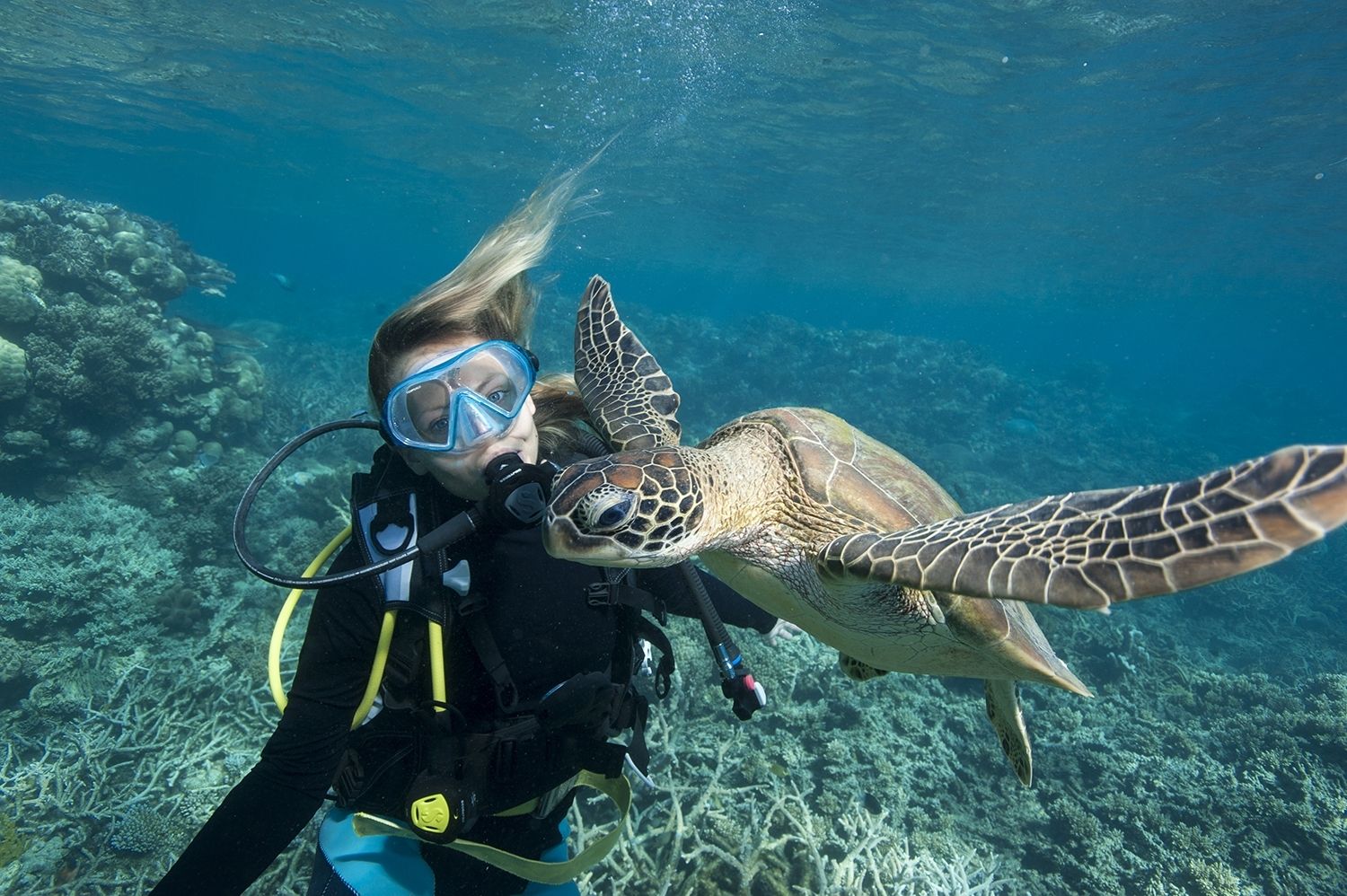
Marine Biology is the scientific study of life in oceans, seas, estuaries, and coastal environments. It combines biology, ecology, oceanography, and environmental science to research marine organisms, their behavior, habitats, and interactions with the environment, including the impact of climate change and human activities.
Historical / Global Relevance
- Oceans cover more than 70% of Earth’s surface and are vital to global climate and life.
- Marine biology has helped advance fisheries management, coral reef conservation, and marine ecosystem protection.
- Globally, marine biologists play a key role in biodiversity conservation, climate research, and sustainable use of ocean resources.
Why students choose it
- Passion for marine life and ocean ecosystems
- Interest in scientific research and environmental conservation
- Opportunity to work in oceans, laboratories, and field stations
- Contribution to climate change research and biodiversity protection
- Global career opportunities in research and conservation
Roles & Responsibilities
Typical Duties:
- Studying marine plants and animals in natural habitats
- Conducting underwater surveys and field research
- Collecting and analyzing biological and environmental data
- Monitoring marine ecosystems and biodiversity
- Researching the impact of pollution and climate change
- Publishing scientific research and advising conservation policies
Industries They Work In:
- Marine research institutes and laboratories
- Environmental and conservation organizations
- Universities and academic institutions
- Government marine and fisheries departments
- Aquariums and marine parks
Key Skills Required
Technical Skills:
- Marine ecology and oceanography
- Research methods and data analysis
- Underwater survey techniques and sampling
- Scientific documentation and reporting
Soft Skills:
- Observation and analytical thinking
- Patience and perseverance
- Teamwork and communication
- Physical fitness for fieldwork
Emerging Skills:
- Marine conservation technology
- Remote sensing and ocean data analytics
- Climate change modelling
- Marine biodiversity informatics
Educational Pathway / Eligibility
Minimum Qualification:
- Class 12 with Biology (Physics and Chemistry recommended)
UG / PG Options:
- UG: BSc Marine Biology, BSc Biology, BSc Zoology – 3 years
- PG: MSc Marine Biology, Oceanography, or Marine Science – 2 years
- PhD: Required for advanced research and academic roles
Entrance Exams (India):
- University-level entrance tests
- IIT-JAM (for MSc programs in related fields)
International Pathways:
- BSc / MSc in Marine Biology or Ocean Sciences
- Research fellowships and doctoral programs
Course Details
Duration:
- UG: 3 years
- PG: 2 years
- PhD: 3–6 years
Specializations:
- Marine Ecology
- Coral Reef Biology
- Fisheries Biology
- Marine Conservation
- Deep-Sea Biology
Typical Fees:
India:
- UG: ₹20,000 – 1.5 lakh per year
- PG: ₹50,000 – 3 lakh per year
Abroad:
- UG: USD 15,000–40,000 per year
- PG: USD 20,000–50,000 per year
Career Opportunities
Job Profiles:
- Marine Biologist
- Marine Ecologist
- Fisheries Scientist
- Ocean Conservation Scientist
- Research Associate
Industries Hiring:
- Research institutes and universities
- Environmental NGOs and conservation bodies
- Government marine departments
- Marine parks and aquariums
Scope: India vs. Abroad
- India: Growing opportunities in coastal research, fisheries, and conservation projects
- Abroad: Strong research and conservation roles in USA, Europe, and Australia
Salary Trends
|
Level |
India (per annum) |
Abroad (per annum) |
|
Entry-level |
₹3–6 LPA |
USD 45,000–60,000 |
|
Mid-level |
₹6–12 LPA |
USD 70,000–90,000 |
|
Senior/Research Lead |
₹12–20 LPA+ |
USD 100,000+ |
Demand & Market Outlook
- Current Demand: Moderate, growing with environmental awareness
- Global Demand: Strong in conservation and climate research
- Future Growth Trends:
- Ocean conservation and sustainability
- Climate change and marine biodiversity research
- Blue economy initiatives
- Industry Drivers: Climate change, marine pollution control, and sustainable fisheries
Level of Preparation Required
- Strong foundation in biology and environmental science
- Field research experience and internships
- Data analysis and scientific writing skills
- Long-term commitment to research and conservation
Top Colleges & Universities
India:
- National Institute of Oceanography (NIO), Goa
- Cochin University of Science and Technology (CUSAT)
- Andhra University
- Annamalai University
Abroad:
- University of California, Santa Barbara, USA
- University of Miami (RSMAS), USA
- James Cook University, Australia
- University of Southampton, UK
Pros & Cons of this Career
Advantages:
- Meaningful work in conservation and research
- Opportunity to work in diverse marine environments
- Global scientific collaboration
- Intellectual fulfillment
Challenges:
- Competitive research positions
- Physically demanding fieldwork
- Moderate salaries in early career stages
Work-Life Balance:
- Balanced in academic and research roles
- Fieldwork may require travel and irregular schedules
Famous Personalities / Case Studies
- Sylvia Earle – Renowned marine biologist and oceanographer
- Scientists leading coral reef restoration and marine conservation projects
Conclusion
A career as a marine biologist is ideal for individuals passionate about ocean life, scientific research, and environmental conservation. With increasing global focus on climate change and marine sustainability, this career offers purpose-driven work and long-term impact.
👉 Students who love biology, research, and protecting marine ecosystems will find this career deeply fulfilling and globally relevant.