
- Introduction / About the Career
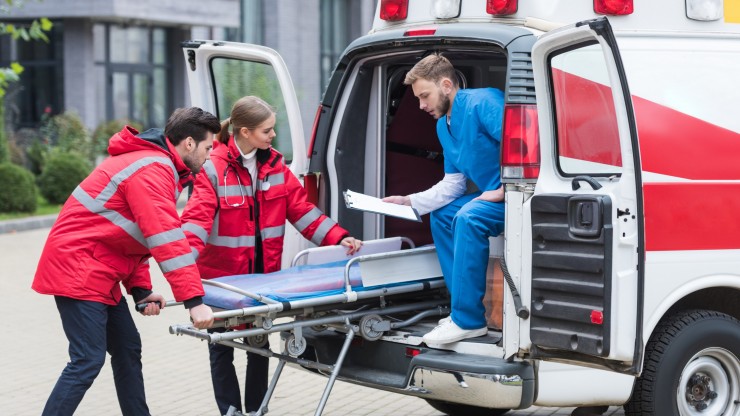
A Paramedic / Emergency Medical Technician (EMT) is a healthcare professional who provides emergency medical care to patients in critical situations, often before reaching a hospital. They respond to accidents, natural disasters, and medical emergencies, offering life-saving interventions.
Globally, paramedics and EMTs are crucial in emergency healthcare systems, forming the first line of care for trauma, cardiac events, accidents, and other urgent medical conditions.
Why students choose this career:
- Passion for helping people in critical situations.
- Thrill of working in fast-paced, high-responsibility roles.
- Direct contribution to saving lives.
- Opportunities in hospitals, ambulance services, defense, and disaster management.
- Roles & Responsibilities
Paramedics/EMTs are responsible for assessing, stabilizing, and transporting patients during emergencies. Typical duties include:
- Responding to emergency calls and providing first aid or advanced medical care.
- Assessing patient condition and vital signs.
- Administering medications, CPR, oxygen therapy, and other life-saving procedures.
- Safely transporting patients to hospitals or trauma centers.
- Collaborating with doctors, nurses, and other emergency responders.
- Maintaining emergency medical equipment and documentation.
- Educating communities on emergency preparedness and safety.
Industries/Sectors Hiring Paramedics/EMTs:
- Ambulance services and emergency response units
- Hospitals and trauma centers
- Fire and rescue services
- Defense and armed forces
- Disaster management and humanitarian organizations
- Key Skills Required
Technical Skills:
- Emergency medical care and trauma management
- Knowledge of anatomy, physiology, and pharmacology
- Use of medical equipment (defibrillators, ventilators, splints)
- CPR, advanced life support, and patient stabilization techniques
Soft Skills:
- Quick decision-making under pressure
- Calmness and resilience in emergencies
- Strong communication and teamwork
- Physical stamina and manual dexterity
- Empathy and patient-centered approach
Emerging Skills:
- Telemedicine and remote emergency guidance
- Advanced cardiac life support (ACLS) and pre-hospital care techniques
- Disaster and mass casualty management
- Use of digital patient monitoring and record-keeping tools
- Educational Pathway / Eligibility
Minimum Qualification: 10+2 with Science (Physics, Chemistry, Biology) preferred
Undergraduate / Diploma Courses:
- Diploma in Paramedical Sciences / Emergency Medical Technology – 1–2 years
- B.Sc Paramedical Sciences – 3–4 years
- EMT certification courses (varies by country)
Postgraduate / Advanced Training:
- M.Sc in Emergency Medical Care / Paramedical Science – 2 years
- Advanced certifications in Trauma Care, Cardiac Life Support, Critical Care
Entrance Exams / Licensing:
- India: Paramedical entrance exams at some institutes
- Abroad: National / State-level EMT certification exams (e.g., NREMT in the USA)
- Course Details
- Duration:
- Diploma: 1–2 years
- B.Sc: 3–4 years
- M.Sc / Advanced Certification: 1–2 years
- Specializations:
- Cardiac and Trauma Care
- Critical Care Paramedics
- Pediatric Emergency Care
- Disaster & Mass Casualty Management
- Advanced Life Support
- Typical Fees:
- India: ₹50,000–3 lakhs
- Abroad: USD $5,000–$20,000 depending on course and certification
- Career Opportunities
Job Roles:
- Paramedic / EMT
- Emergency Care Technician
- Critical Care Paramedic
- Ambulance Officer / Dispatcher
- Disaster Response Specialist
- Instructor in Paramedical Training Institutes
Industries / Sectors Hiring:
- Hospitals and Trauma Centers
- Ambulance & Emergency Response Services
- Defense and Armed Forces
- NGOs and Disaster Relief Organizations
- Aviation and Marine Emergency Services
Scope in India vs. Abroad:
- India: Growing demand in hospitals, emergency services, and disaster management.
- Abroad: High demand in USA, UK, Australia, and Middle East; globally recognized certifications enhance mobility.
- Salary Trends
- Entry-Level (India): ₹2–4 LPA
- Mid-Level / Experienced: ₹4–6 LPA
- Senior / Specialized Roles: ₹6–10 LPA+
Abroad:
- EMT / Paramedic Average Salary: USD $35,000–$60,000 per year
- Senior or Critical Care Paramedics: USD $70,000+
- Demand & Market Outlook
- Increasing road accidents, cardiac cases, and emergencies drive demand for skilled paramedics.
- Growth in hospital networks, ambulance services, and disaster management programs.
- Emerging trends include prehospital emergency care, tele-emergency services, and advanced trauma response techniques.
- Government initiatives and private healthcare expansion boost employment opportunities.
- Level of Preparation Required
Academic Preparation: Foundation in science (biology, chemistry, physics) is essential.
Practical Exposure: Internship in hospitals, ambulance services, or trauma centers.
Certifications / Training: CPR, Advanced Life Support (ALS), Pediatric Emergency Care, Disaster Management certifications add value.
- Top Colleges & Universities
Top Indian Institutes:
- All India Institute of Medical Sciences (AIIMS), New Delhi – Paramedical Programs
- Christian Medical College (CMC), Vellore – Emergency & Paramedical Courses
- Sanjay Gandhi Postgraduate Institute of Medical Sciences, Lucknow – Paramedical Training
- SRM Institute of Science & Technology – B.Sc / Diploma Paramedical
- Apollo College of Paramedical Sciences
Top International Institutes:
- Johns Hopkins University, USA – Emergency Medical Services
- University of Melbourne, Australia – Paramedic Science
- King’s College London, UK – Paramedic and Emergency Care
- University of Toronto, Canada – Emergency Medical Services Programs
- St. John Ambulance, UK – Advanced Paramedic Training
- Pros & Cons
Pros:
- Life-saving and impactful career
- High demand in hospitals, trauma centers, and emergency services
- Opportunities for specialization and global mobility
- Exciting, fast-paced work environment
Cons:
- Physically and mentally demanding
- Irregular hours, night shifts, and high-pressure situations
- Early career salaries may be modest in India
- Exposure to emergencies, trauma, and critical incidents
- Famous Personalities / Case Studies
- Dr. R Adams Cowley: Founder of modern trauma care and emergency medicine in the USA.
- Indian Paramedics in Disaster Relief: Many paramedics have played critical roles in natural disasters like the Kerala floods, COVID-19 response, and earthquake relief.
- Conclusion
A career as a paramedic/EMT is ideal for students who are compassionate, brave, and interested in emergency healthcare. With the growing need for trauma care, ambulance services, and disaster management, this career offers high demand, global opportunities, and the satisfaction of saving lives.
Students who enjoy hands-on medical care, quick decision-making, and working in dynamic environments will find this career rewarding, challenging, and future-ready.