
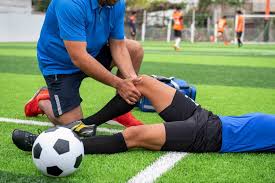
- Introduction / About the Career
A Physiotherapist is a healthcare professional who helps patients recover physical mobility, strength, and function after illness, injury, or surgery.
A Sports Physiotherapist specializes in preventing and managing sports-related injuries and improving athletes’ performance through targeted rehabilitation and training programs.
Historical & Global Relevance:
- Physiotherapy originated in the early 20th century as part of rehabilitation for soldiers injured in wars.
- Today, it’s a vital branch of medical and sports science worldwide.
- Globally, physiotherapists play key roles in hospitals, sports teams, clinics, and wellness centers.
Why students choose it:
- Strong interest in healthcare and physical wellness
- Opportunities to work with athletes and in rehabilitation centers
- Growing demand due to sedentary lifestyles and sports injuries
- A rewarding career focused on healing, recovery, and improving lives
- Roles & Responsibilities
Physiotherapists typically:
- Assess patients with physical impairments or movement disorders
- Design and implement rehabilitation and exercise programs
- Use techniques like massage, heat therapy, electrotherapy, and hydrotherapy
- Educate patients on posture, injury prevention, and movement safety
- Work with doctors, surgeons, and fitness professionals
Sports Physiotherapists additionally:
- Prevent, diagnose, and treat sports-related injuries
- Create rehabilitation and performance enhancement plans for athletes
- Provide on-field support during competitions and training
- Guide athletes on recovery, flexibility, and conditioning
Work Environments:
- Hospitals and clinics
- Sports teams and academies
- Rehabilitation centers
- Fitness and wellness centers
- Corporate health programs and community healthcare
- Key Skills & Traits Required
Technical Skills:
- Human anatomy and physiology
- Manual therapy and exercise therapy
- Injury diagnosis and rehabilitation techniques
- Sports science and biomechanics
- Electrotherapy and hydrotherapy methods
Soft Skills / Personality Traits:
- Empathy and patient-centered care
- Strong communication and motivation skills
- Physical stamina and attention to detail
- Problem-solving and analytical thinking
- Teamwork and adaptability
Emerging Skills:
- Sports injury analytics
- Tele-rehabilitation and digital physiotherapy tools
- Sports taping, dry needling, and cupping therapy
- Data-driven movement analysis
- Integration of AI and wearable technology in physiotherapy
- Educational Pathway / Eligibility
Minimum Qualification: 10+2 (Science stream with Biology)
Undergraduate Courses:
- BPT (Bachelor of Physiotherapy) – 4.5 years (includes internship)
- B.Sc. in Physiotherapy or Sports Science
Postgraduate Courses / Specializations:
- MPT (Master of Physiotherapy) – 2 years
- Specializations:
- Sports Physiotherapy
- Orthopedic Physiotherapy
- Neurological Physiotherapy
- Pediatric Physiotherapy
- Cardio-pulmonary Physiotherapy
- Specializations:
Diploma & Certification Courses:
- Diploma in Physiotherapy (DPT) – 2 years
- Certificate in Sports Injury Management / Rehabilitation
- International certifications from IFSPT, CSP, or ACSM
Entrance Exams (India):
- NEET-UG (for some universities)
- State-level or university entrance tests
- Course Details
- Duration:
- BPT: 4.5 years
- MPT: 2 years
- Diploma: 2 years
- Certificate: 6 months – 1 year
- Specializations:
- Sports Physiotherapy
- Orthopedic / Neurological / Geriatric / Pediatric Physiotherapy
- Cardio-pulmonary Rehabilitation
- Manual Therapy / Fitness & Strength Conditioning
- Fees:
- India: ₹1.5 – 5 lakhs (entire course)
- Abroad: USD $20,000 – $50,000 (entire course)
- Career Opportunities
Job Profiles:
- Physiotherapist / Sports Physiotherapist
- Rehabilitation Specialist
- Exercise Therapist / Kinesiologist
- Clinical Consultant / Health Coach
- Sports Injury & Recovery Specialist
- Fitness & Wellness Expert
- Academic Lecturer or Researcher in Physiotherapy
Industries / Sectors Hiring:
- Hospitals, clinics, and physiotherapy centers
- Sports academies and fitness centers
- Rehabilitation and orthopedic centers
- Professional sports teams and leagues
- Educational institutions and research centers
Scope in India vs. Abroad:
- India: Growing healthcare infrastructure and fitness culture create high demand.
- Abroad: Excellent opportunities in UK, Australia, Canada, and Gulf countries, where physiotherapy is a high-paying, licensed profession.
- Salary Trends
- Entry-Level (India): ₹3 – 6 LPA
- Mid-Level: ₹6 – 12 LPA
- Senior / Specialized Physiotherapist: ₹12 – 25 LPA+
Abroad:
- Average Salary: USD $50,000 – $100,000 annually
- Sports Physiotherapists with pro teams: USD $100,000+
- Demand & Market Outlook
- Physiotherapy is one of the fastest-growing healthcare fields worldwide.
- Rising cases of sports injuries, aging populations, and lifestyle disorders increase demand.
- Government and private initiatives promoting rehabilitation and fitness awareness.
- Expanding opportunities in telehealth and sports performance centers.
- Level of Preparation Required
Academic Preparation: Focus on biology, anatomy, and human physiology.
Internships / Practical Exposure: Compulsory internships during BPT/MPT for real-world experience.
Additional Certifications: Manual therapy, kinesiology taping, dry needling, and strength & conditioning courses add value.
- Top Colleges & Universities
India:
- All India Institute of Physical Medicine and Rehabilitation (AIIPMR), Mumbai
- Manipal Academy of Higher Education (MAHE), Manipal
- Christian Medical College (CMC), Vellore
- SRM Institute of Science & Technology, Chennai
- Delhi Pharmaceutical Sciences and Research University (DPSRU)
Abroad:
- University of Sydney, Australia
- University of Toronto, Canada
- King’s College London, UK
- University of Queensland, Australia
- University of Pittsburgh, USA
- Pros & Cons
Pros:
✅ Rewarding career that helps people heal and regain mobility
✅ Diverse career paths — healthcare, sports, research, and academia
✅ High demand in India and internationally
✅ Opportunities to work with professional athletes or medical teams
Cons:
❌ Physically demanding work
❌ Initial salary may be modest in India
❌ Requires continuous learning and upskilling
❌ Emotional pressure when dealing with long-term patients
- Famous Personalities / Case Studies
- Dr. Rajesh Chauhan: Renowned Indian sports physiotherapist for national cricket teams
- Dr. John Gloster: Former physiotherapist for the Indian cricket team
- Dr. Anjana Laungani: Prominent rehabilitation and wellness physiotherapist in India
- Phil Hayward: Physiotherapist for Premier League football teams
- International sports recovery specialists working with Olympic and professional athletes
- Conclusion
A career as a Physiotherapist or Sports Physiotherapist offers a fulfilling blend of medical science, sports, and human care. As the world prioritizes fitness, rehabilitation, and preventive healthcare, physiotherapists are essential in improving quality of life and athletic performance.