
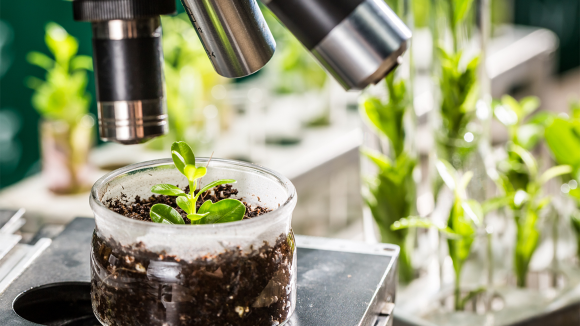
- Introduction / About the Career
What the course/field is about
A plant pathologist studies plant diseases caused by fungi, bacteria, viruses, nematodes, and environmental factors. They work to diagnose, prevent, and manage plant diseases to improve crop yield, food security, and agricultural sustainability.
Historical/Global Relevance
- Plant pathology has been crucial since agriculture began to prevent crop losses and ensure food production.
- Globally, plant pathologists contribute to disease-resistant crop varieties, sustainable agriculture, and biosecurity.
Why students choose it
- Passion for agriculture, plant science, and research
- Opportunities in improving crop health and productivity
- Career growth in government, research, agri-business, and plant biotechnology
- Combines fieldwork, lab research, and problem-solving
- Roles & Responsibilities
Typical Duties:
- Diagnose and analyse plant diseases
- Research disease mechanisms and resistant plant varieties
- Develop strategies for disease prevention and management
- Advise farmers on crop protection methods
- Conduct field surveys and laboratory experiments
- Monitor and control outbreaks in commercial crops
Industries They Work In:
- Agricultural research institutes
- Plant biotechnology and seed companies
- Government agriculture and plant health departments
- Agrochemical and crop protection companies
- Universities and agricultural extension services
- Key Skills Required
Technical Skills:
- Plant biology, microbiology, and pathology
- Soil science and plant nutrition
- Laboratory techniques for pathogen identification
- Use of biotechnology and molecular tools
- Data analysis and experimental design
Soft Skills:
- Analytical and problem-solving abilities
- Observation and attention to detail
- Communication and advisory skills
- Teamwork and project management
Emerging Skills:
- Bioinformatics in plant disease research
- Climate-resilient crop disease management
- Sustainable pest and disease control strategies
- Precision agriculture and digital plant health monitoring
- Educational Pathway / Eligibility
Minimum Qualification:
- Class 12 with science stream (Biology, Chemistry, Physics)
UG / PG Options:
- UG: B.Sc. Agriculture, B.Sc. Plant Science, B.Sc. Botany – 3–4 years
- PG: M.Sc. Plant Pathology, M. Tech Plant Biotechnology – 2 years
- Diploma / Certificate: Diploma in Plant Pathology, Crop Protection, or Plant Health Management – 6 months to 2 years
Entrance Exams (India):
- ICAR AIEEA (UG & PG)
- State Agricultural University Entrance Exams
International Pathways:
- BSc/MSc in Plant Pathology, Crop Science, or Agricultural Science abroad
- Certifications in plant biotechnology, crop protection, and sustainable agriculture
- Course Details
Duration:
- UG: 3–4 years
- PG: 2 years
- Diploma / Certificate: 6 months – 2 years
Specializations:
- Fungal, bacterial, viral, and nematode plant diseases
- Crop protection and pest management
- Plant biotechnology and genetic resistance
- Sustainable agriculture and disease prevention
Typical Fees:
India:
- UG: ₹50,000 – 3 lakh per year
- PG: ₹1–5 lakh per year
- Diploma/Certificate: ₹50,000–1 lakh
Abroad:
- UG: USD 15,000–35,000 per year
- PG: USD 20,000–50,000 per year
- Certification: USD 1,500–5,000
- Career Opportunities
Job Profiles:
- Plant Pathologist
- Crop Protection Specialist
- Agricultural Research Scientist
- Disease Management Consultant
- Plant Health Officer
- Biotechnology Researcher
Industries Hiring:
- Agricultural research institutes
- Agrochemical and seed companies
- Government agricultural departments
- Universities and research labs
- NGOs and international agricultural organizations
Scope: India vs. Abroad
- India: Growing need due to crop protection, food security, and research programs
- Abroad: Strong demand in research, biotechnology, plant health consulting, and international agriculture projects
- Salary Trends
Level | India (per annum) | Abroad (per annum) |
Entry-level | ₹3 – 6 LPA | USD 40,000 – 60,000 |
Mid-level | ₹6 – 12 LPA | USD 60,000 – 90,000 |
Senior / Manager | ₹12 – 25 LPA+ | USD 100,000+ |
- Demand & Market Outlook
- Current Demand: Increasing due to plant disease threats, biotechnology, and sustainable farming needs
- Global Demand: High in research, crop protection, and plant biotechnology sectors
- Future Growth Trends: Disease-resistant crops, precision agriculture, biosecurity, and sustainable pest management
- Government / Industry Initiatives: ICAR programs, National Horticulture Mission, plant disease management schemes, biosecurity policies
- Level of Preparation Required
- Strong foundation in plant biology, microbiology, and agriculture
- Internships or research projects in plant pathology, agriculture labs, or fieldwork
- Participation in workshops, conferences, and practical training
- Optional certifications in crop protection, biotechnology, or sustainable agriculture
- Top Colleges & Universities
India:
- Indian Agricultural Research Institute (IARI), Delhi
- Punjab Agricultural University – Plant Pathology
- Tamil Nadu Agricultural University – Crop Protection & Plant Pathology
- Acharya N.G. Ranga Agricultural University
- University of Agricultural Sciences, Bangalore
Abroad:
- Cornell University, USA – Plant Pathology & Crop Science
- University of California, Davis, USA – Plant Pathology
- Wageningen University & Research, Netherlands – Plant Sciences
- University of Reading, UK – Crop Protection & Plant Health
- University of Melbourne, Australia – Plant Pathology
- Pros & Cons of this Career
Advantages:
- Direct contribution to crop productivity and food security
- Opportunities in research, consultancy, and biotechnology
- High demand in agricultural and environmental sectors
- Combines fieldwork, lab research, and innovation
Challenges:
- Field and lab work can be intensive
- Requires continuous learning due to evolving plant diseases
- Initial salaries may be modest in India
Work-Life Balance:
- Generally moderate; varies with field assignments, research projects, and consultancy
- Famous Personalities / Case Studies
- Dr. Norman Borlaug—Father of the Green Revolution—contributed to disease-resistant crops
- Researchers developing genetically resistant crop varieties
- Case studies on crop protection, plant disease management, and sustainable agriculture
- Conclusion
A career as a plant pathologist is ideal for students passionate about plants, crop health, and agricultural research. With increasing focus on food security, sustainable farming, and biotechnology, this career offers growth, research opportunities, and global relevance.
👉 Students aiming to analyze plant diseases, improve crop resilience, and contribute to sustainable agriculture will find this career highly rewarding.